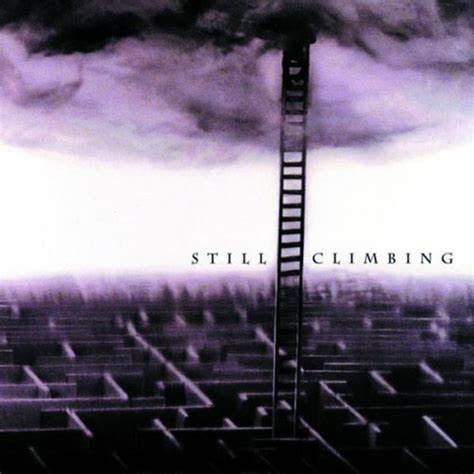
1990’s “Heartbreak Station” had somewhat pre-empted what was on the horizon with music generally around the world. Having served up two albums where the image of Cinderella the band had screamed glam metal but had contained songs that fit more into the hard rock motif than anything else, “Heartbreak Station” had followed what other bands around the world were travelling, stripping back all of the overblown effects and getting back to what they called ‘the basics’. It produced an album that tended to split the band’s fandom, with mixed reactions as to its output and direction.
Following the tour to promote the album, the band began to put together ideas for their follow up album. However, they were then hit with the problems that beset band leader, guitarist and lead vocalist Tom Keifer. It was during this time that he was diagnosed with vocal chord paresis which eventually required surgery and a lengthy recovery time, which put the band in limbo for a two year period. Now while that is a considerable time to be out of action, it certainly became more so when you consider that those years were 1991 and 1992, when the music world was turned on its head by the escalation of grunge, a phenomenon that is almost the sole reason that glam metal was forcibly removed from the music scene. However, Cinderella had already begun a move away from that with their previous album, and perhaps both this and the break from releasing an album at the height of this new movement ended up working in their favour.
In an interview some years later, Keifer was quoted as saying "I am writing for the record, and I don't know what voice I am writing for because I don't know if I am going to have a voice." Keifer also stated, "I really didn't ever get to the point where my voice was fully retrained, back and functioning properly, even while we were recording that record." In the long run, Keifer had to adopt a different way of recording his vocals, singing the same line over and over in order to get the sound he wanted. “On Still Climbing, I was going in and singing one line over and over and over, and trying to get my pipes to work right and get the sounds that I wanted. It was just a weird record to make. It was not an easy record to make, but a lot of the songs, I really like. And you know, it is what it is."
For this album, partly to do with the long break, longtime drummer Fred Coury had gone on to pursue other interests, with Kenny Aronoff taking on the drum duties in the studio. The remainder of the band, Keifer, bass guitarist Eric Brittingham and lead guitarist Jeff LaBar remained together.
An interesting part of this album was the use of a couple of songs that had been around for years. Both “Talk is Cheap” and “Freewheelin’” had been played by the band live as early as 1985, though both were slightly different from the versions that ended up on this album. Also, "Hot & Bothered" had first appeared on Wayne's World soundtrack in 1992.
Perhaps the most surprising part of this album is that, unlike so many other bands albums that were released in the same era, they have not felt pressured into changing their sound to match what was going on in the music world around them. “Heartbreak Station” had been a subtle change in direction prior to this, and perhaps that helped the band keep that mindset, despite what had happened to delay this album coming out and what music was like swirling around them.
The opening track “Bad Attitude Shuffle” has a slow start, taking its time to move into the main section of the song and begin its bluesy influenced traction. Theis follows nicely into “All Comes Down”, a great hard rock song, one where you wouldn't know that Keifer had had any trouble with his vocal chords. There is perhaps less grinding in his voice, and he hits some impressive notes throughout, and the trade-off guitar licks and solos are terrific. It holds the same vitality that their songs in the late 1980’s do and kicks the album up a gear from the outset. It’s a ripper, and it segues perfectly into “Talk is Cheap” that keeps that hard rock momentum going. “Blood from a Stone” has a great opening riff and terrific attitude based vocals. These are the kind of songs that Cinderella made their own, on first inspection they mightn’t sound special but the more you listen to them the more they row on you, and you pick up the great pieces that make the track special, the doubled vocals pushing the intensity and the great solo through the heart of the track. The title track “Still Climbing” is a slow burner, very blues influenced by the guitar and keyboard within, sitting in a slow mid tempo and Keifer crooning over the top, which immediately segues into the far more upbeat and faster tempo of “Freewheelin’”. It is a segue that really shouldn’t work at all, at yet here it does beautifully without disturbing the platform laid by the previous track.
It wouldn’t be a Cinderella album if you didn’t have the soft rock ballads, and they appear here once again. “Hard to Find the Words” concentrates heavily on the slow blues based back track, reverberating from the low almost spoken vocal to Keifer’s more recognisable higher pitched squeals, and those atypical ballad based solos. “Through the Rain” heads down the usual route for such a track, based on a more acoustic level song with some light keyboards attached, and vocals sung in a register that tries to attack the heartstrings for an emotional response.
The final throes of the album are just as entertaining as the majority of this album. “Easy Come Easy Go” settles into a similar rhythm that the album endures and is more than listenable. “The Road’s Still Long” is a slow burn which mixes blues guitar with touches of country rock, threatening to break out into a much faster tempo with greater energy than it eventually decides to do. It’s a tease most of the way through. The album then concludes with “Hot and Bothered”, a song that reverts to their earlier sound, a definite AC/DC sounding hard rock song both guitar-wise and vocally, which brings the album to a close in a pleasant and enjoyable tone.
My own love affair with Cinderella had had a few hiccups over the years, and as much as I had enjoyed “Night Songs” and then most of “Long Cold Winter”, I must admit that I had found “Heartbreak Station” a hard sell. There is a real change in the direction the band took with the sound of that album, and at that time I had found it a bridge too far. So, when this was released in 1994 it was not an album that came on to my radar. None of my friends had bought it and I was unwilling to risk the 30 bucks to buy the CD and find it was only going to collect dust on the shelves. So, it wasn’t until the early 2000’s when I began to go back and chase down bands and albums that I hadn’t thought of for a while that I came across “Still Climbing” and decided to give it a go. And it wouldn’t be untoward of me to say that I was mildly surprised with what I found. True, it wasn’t the sound of their early albums, but it was nowhere near as bad as I had imagined it would be. Now, it isn’t an album I have taken out very often over the preceding years – and that is as much to do with the voluminous collection I now have when it comes to choosing an album to listen to when I want to hear some music than anything else – but I have never been disappointed whenever I have,
I’ve had this album on again for the past week, and again have been pleasantly surprised with how much I enjoy it. And what I have thought of most when listening to it is how determined the band must have been to stick to their guns in a musical environment that was a totally different landscape than from a decade before, and they still composed and recorded music that was in their wheelhouse, and did not try to adapt that to what was going on around them. It may not have brought them the commercial success that they would have craved, but as a fan of the band it did gain them my respect as an artist. In fact, the band’s label dropped them after the lack of sales of the album, and the band went into hibernation for a short time to refocus and determine what the future held for them. As it turned out, it was to be a future with constant obstacles ahead of them. While they did tour often, alongside other bands of their late 1980’s heritage, they recorded no new material as a band again. Their final show was in 2014, at which point it was reported that tensions between the members of the band made it unlikely they would tour or record together again. The passing of Jeff LaBar in 2021 seems to have finally closed the door on that ever being explored again.
As a final homage to the band then, “Still Climbing” is not a bad way to conclude their recording career. An album that retains their integrity and stays true to what they believed and enjoyed. In the long run, that is the best any band can hope to achieve.
One middle-aged headbanger goes where no man has gone before. This is an attempt to listen to and review every album I own, from A to Z. This could take a lifetime...
Podcast - Latest Episode
Showing posts with label 1994. Show all posts
Sunday, November 10, 2024
Friday, November 01, 2024
1270. Nirvana / MTV Unplugged in New York. 1994. 4/5
Nirvana had been the face of the grunge movement since they had crashed upon the music scene with their second album “Nevermind” in 1991, and had been riding the wave ever since. With the release of their third album “In Utero” in 1993 saw this trend continue, despite an album that was far from mainstream in content. The tour that followed this was their first of the United States for two years, and included the addition of Pat Smear as a second guitarist to increase the impact of their music.
In November of 1993 Nirvana agreed to record a performance for MTV Unplugged, which had been a popular addition to their music channels programming. Although the band had been negotiating to be on the program for some months, they also wanted to do something different from what most bands did when they recorded the show. Whereas other bands still wanted to be loud and energetic, Nirvana wanted it to be the intimate setting that the style suggested it should be, and to incorporate songs that suited the style that weren’t their own.
The band rehearsed for two days prior to the recording, that from reports were tense in all quarters, production, executives and band. Kurt had wanted to miss the rehearsals but eventually turned up, though the two days were said to be little fun for anyone with no humour or banter occurring during the sessions. The show was then recorded on November 18, 1993, and aired on MTV the following month.
How much would have happened following this had not Kurt Cobain taken his own life on April 8, 1994? Apart from the shock that was felt worldwide, it also led to this performance being rerun on MTV many times over the coming weeks. It also led to the record company announcing that a double album would be released, with one CD full of live performances of the band, and the other the entire MTV Unplugged performance. As it turned out, it was only a week later that this was canned, with the difficulty of the bands remaining members Krist Novaselic and Dave Grohl to be able to emotionally put together the live album cited as the reason. Instead, it was decided that just the MTV Unplugged performance would be released, as the final embodiment of what the band achieved in its short time together.
Given that there was a controversy at the time over the song choices the band made for this performance, one of the main features about this album is how well it all fits together. There may not have been the proliferation of hits that the executives had wanted, or that many fans of the band wanted. And though the and did incorporate cover songs in the performance, they are all terrific. Also, unlike most of the artists who performed on MTV Unplugged, Nirvana performed their entire 14 song setlist in one take, whereas other bands often did two or more takes of a song to choose the best performance.
Eight of the 14 songs are Nirvana songs. They open with the best known of the songs from their debut album "Bleach", the seminal "About a Girl", perhaps the ideal version of this track in the band's repertoire. This is then followed by their hit single "Come as You Are", thus allowed the performance (and the album) to begin with recognisable tracks to drag the fans in. There are three other songs from the band's best known album "Nevermind", "Polly", "On a Plain" and "Something in the Way". All three of these songs are well suited to the unplugged format, even "On a Plain" whose studio version is quite electrified and bombastic, and yet it translates well to this format. Of course, this is helped and improved by the fact that Kurt Cobain insisted on running his acoustic guitar through his amp and pedals, thus helping to create the Nirvana sound of his guitar even as an acoustic. A cheat code perhaps? Maybe, but the end result does allow the band to be who they are even in this setting. "Something in the Way" also sounds amazing on this recording. Joining these songs are three from their then current, and as it turns out final, album "In Utero". "Pennyroyal Tea" is promoted by Kurt's vocals without any other vocal backing, and sounds all the better here for it. The studio version sometimes gets drowned out by all of the instruments, but this version highlights his vocal which is superb. "Dumb" is a surprisingly good subdued version of the original studio track, while "All Apologies" comes towards the end of the set.
Beyond these Nirvana tracks, six others are played and mixed into the setlist. The cover of The Vaselines track "Jesus Wants Me for a Sunbeam", which Cobain retitled "Jesus DOESN'T Want Me for a Sunbeam" for this performance, was the first, and is one of the songs here that probably divides fans of the band and the album the most. It's fine, but it is nothing outstanding, as a song or the performance. It is followed directly after however by one of the best tracks, the cover of David Bowie's "The Man Who Sold the World". So good is this version, and so perfect is Cobain's vocal to Bowie's original, that I still meet people today who think this is a Nirvana song not a David Bowie song, and I've even had people say to me "wow, how good is Bowie's cover version of that Nirvana song?!" I mean, Cobain even says at the end of the song "That was a David Bowie song". It is one of the outstanding tracks of this album, and shows that the odd cover song in this environment can be a great thing.
Another of the butting heads episodes for this was Cobain's insistence that they cover three songs by the Meat Puppets, who had been supporting Nirvana on their current tour. But, not only did they cover the songs "Plateau", "Oh Me" and "Lake of Fire", they also had Cris and Curt Kirkwood join them on stage to help perform them. An interesting decision, another one that Cobain insisted on and got his way with. And the final cover was the last song of the performance, the traditional American folk song "Where Did You Sleep Last Night", again one that showcases Cobain's vocal rather than anything else, and one that he was so pleased with as a show closer that when the producers tries to insiste on an encore he refused, saying nothing could possibly top that as the closing song. There's no doubt that the band and his own popularity in the music world gave him the power to refuse things that most other bands would have had to accede to.
Kurt Cobain's death and the eventual demise of Nirvana as a result was a massive thing back in 1994. It's difficult to explain to anyone who wasn't around 30 years ago just how massive that news was when it was relayed around the world. And while the MTV Unplugged episode had been recorded at the end of the previous year and been broadcast, it suddenly got played a LOT on MTV, and then the eventual release of this album with the full set list was really what fans were after. It was a melancholy time when it was however. Listening to it at the time of its release was always tinged with the regret that we would have no more music from Cobain and the band, and that this was in fact the final memoir of a band that had influenced so much.
Like most people of my age I got this album on its release, and did indeed immerse myself in it for some months. It was interesting that the following year, the dreaded and best forgotten dark year of 1995, I was often asked if I was listening to too much Nirvana and if it might be invading my thoughts. I always laughed this off, because if anything Cobain's final fate was more than enough to turn me well away from that, and in fact listening to Nirvana at the time, and this album in particular, I found rather cathartic.
For my own tastes however, I would generally get nine songs in, and then change to another album. To me, "Something in the Way" was the perfect way to stop this album, and basically ignore the songs that came after it. The Meat Puppets songs never did anything for me, and the other two songs I could take or leave. And while I don't disagree with those people who wished for more of the bands songs to be played on this album, most of those would have been very difficult to pull off. I mean, why would anyone want to hear them play "Smells Like Teen Spirit" unplugged? I mean, that would be like hearing Metallica play "Motorbreath" and "Damage Inc" unplugged, a disaster I am sad to say I had to witness at one of their concerts in 1999... I still shudder when I think of it today...
Even though the MTV Unplugged formula had been around for a few years at this time, it was this performance that actually exploded the concept, and showed that super popular enigmatic bands could do this and not be seen as sellouts or of changing their own style to suit. Some bands of course were more suited to the format, and while this album is rightly hailed as one of the best of the unplugged features, it pales into insignificance against one that was released by another band from Seattle just two years later, one that had their own tragedies occurring around them such that Nirvana had. Again, that's a story for another day.
In November of 1993 Nirvana agreed to record a performance for MTV Unplugged, which had been a popular addition to their music channels programming. Although the band had been negotiating to be on the program for some months, they also wanted to do something different from what most bands did when they recorded the show. Whereas other bands still wanted to be loud and energetic, Nirvana wanted it to be the intimate setting that the style suggested it should be, and to incorporate songs that suited the style that weren’t their own.
The band rehearsed for two days prior to the recording, that from reports were tense in all quarters, production, executives and band. Kurt had wanted to miss the rehearsals but eventually turned up, though the two days were said to be little fun for anyone with no humour or banter occurring during the sessions. The show was then recorded on November 18, 1993, and aired on MTV the following month.
How much would have happened following this had not Kurt Cobain taken his own life on April 8, 1994? Apart from the shock that was felt worldwide, it also led to this performance being rerun on MTV many times over the coming weeks. It also led to the record company announcing that a double album would be released, with one CD full of live performances of the band, and the other the entire MTV Unplugged performance. As it turned out, it was only a week later that this was canned, with the difficulty of the bands remaining members Krist Novaselic and Dave Grohl to be able to emotionally put together the live album cited as the reason. Instead, it was decided that just the MTV Unplugged performance would be released, as the final embodiment of what the band achieved in its short time together.
Given that there was a controversy at the time over the song choices the band made for this performance, one of the main features about this album is how well it all fits together. There may not have been the proliferation of hits that the executives had wanted, or that many fans of the band wanted. And though the and did incorporate cover songs in the performance, they are all terrific. Also, unlike most of the artists who performed on MTV Unplugged, Nirvana performed their entire 14 song setlist in one take, whereas other bands often did two or more takes of a song to choose the best performance.
Eight of the 14 songs are Nirvana songs. They open with the best known of the songs from their debut album "Bleach", the seminal "About a Girl", perhaps the ideal version of this track in the band's repertoire. This is then followed by their hit single "Come as You Are", thus allowed the performance (and the album) to begin with recognisable tracks to drag the fans in. There are three other songs from the band's best known album "Nevermind", "Polly", "On a Plain" and "Something in the Way". All three of these songs are well suited to the unplugged format, even "On a Plain" whose studio version is quite electrified and bombastic, and yet it translates well to this format. Of course, this is helped and improved by the fact that Kurt Cobain insisted on running his acoustic guitar through his amp and pedals, thus helping to create the Nirvana sound of his guitar even as an acoustic. A cheat code perhaps? Maybe, but the end result does allow the band to be who they are even in this setting. "Something in the Way" also sounds amazing on this recording. Joining these songs are three from their then current, and as it turns out final, album "In Utero". "Pennyroyal Tea" is promoted by Kurt's vocals without any other vocal backing, and sounds all the better here for it. The studio version sometimes gets drowned out by all of the instruments, but this version highlights his vocal which is superb. "Dumb" is a surprisingly good subdued version of the original studio track, while "All Apologies" comes towards the end of the set.
Beyond these Nirvana tracks, six others are played and mixed into the setlist. The cover of The Vaselines track "Jesus Wants Me for a Sunbeam", which Cobain retitled "Jesus DOESN'T Want Me for a Sunbeam" for this performance, was the first, and is one of the songs here that probably divides fans of the band and the album the most. It's fine, but it is nothing outstanding, as a song or the performance. It is followed directly after however by one of the best tracks, the cover of David Bowie's "The Man Who Sold the World". So good is this version, and so perfect is Cobain's vocal to Bowie's original, that I still meet people today who think this is a Nirvana song not a David Bowie song, and I've even had people say to me "wow, how good is Bowie's cover version of that Nirvana song?!" I mean, Cobain even says at the end of the song "That was a David Bowie song". It is one of the outstanding tracks of this album, and shows that the odd cover song in this environment can be a great thing.
Another of the butting heads episodes for this was Cobain's insistence that they cover three songs by the Meat Puppets, who had been supporting Nirvana on their current tour. But, not only did they cover the songs "Plateau", "Oh Me" and "Lake of Fire", they also had Cris and Curt Kirkwood join them on stage to help perform them. An interesting decision, another one that Cobain insisted on and got his way with. And the final cover was the last song of the performance, the traditional American folk song "Where Did You Sleep Last Night", again one that showcases Cobain's vocal rather than anything else, and one that he was so pleased with as a show closer that when the producers tries to insiste on an encore he refused, saying nothing could possibly top that as the closing song. There's no doubt that the band and his own popularity in the music world gave him the power to refuse things that most other bands would have had to accede to.
Kurt Cobain's death and the eventual demise of Nirvana as a result was a massive thing back in 1994. It's difficult to explain to anyone who wasn't around 30 years ago just how massive that news was when it was relayed around the world. And while the MTV Unplugged episode had been recorded at the end of the previous year and been broadcast, it suddenly got played a LOT on MTV, and then the eventual release of this album with the full set list was really what fans were after. It was a melancholy time when it was however. Listening to it at the time of its release was always tinged with the regret that we would have no more music from Cobain and the band, and that this was in fact the final memoir of a band that had influenced so much.
Like most people of my age I got this album on its release, and did indeed immerse myself in it for some months. It was interesting that the following year, the dreaded and best forgotten dark year of 1995, I was often asked if I was listening to too much Nirvana and if it might be invading my thoughts. I always laughed this off, because if anything Cobain's final fate was more than enough to turn me well away from that, and in fact listening to Nirvana at the time, and this album in particular, I found rather cathartic.
For my own tastes however, I would generally get nine songs in, and then change to another album. To me, "Something in the Way" was the perfect way to stop this album, and basically ignore the songs that came after it. The Meat Puppets songs never did anything for me, and the other two songs I could take or leave. And while I don't disagree with those people who wished for more of the bands songs to be played on this album, most of those would have been very difficult to pull off. I mean, why would anyone want to hear them play "Smells Like Teen Spirit" unplugged? I mean, that would be like hearing Metallica play "Motorbreath" and "Damage Inc" unplugged, a disaster I am sad to say I had to witness at one of their concerts in 1999... I still shudder when I think of it today...
Even though the MTV Unplugged formula had been around for a few years at this time, it was this performance that actually exploded the concept, and showed that super popular enigmatic bands could do this and not be seen as sellouts or of changing their own style to suit. Some bands of course were more suited to the format, and while this album is rightly hailed as one of the best of the unplugged features, it pales into insignificance against one that was released by another band from Seattle just two years later, one that had their own tragedies occurring around them such that Nirvana had. Again, that's a story for another day.
Friday, October 04, 2024
1263. Various Artists / Nativity in Black: A Tribute to Black Sabbath. 1994. 5/5
Cover albums and tribute albums have been around for a while, and have been done in different ways, but when it comes to the true start of the GREAT tribute albums, then I think this release marks that occasion. Firstly, it’s Black Sabbath, and by the time 1994 rolled around, it had been 15 years since Ozzy Osbourne had left the band, and in many people’s eyes was the true demise of Black Sabbath the band, or at the very least the greatest era of the band. And that era was so influential to so many bands that had then gone on to bigger and better things over that 15 year period. It contains so many great guitar riffs, so many awesome bass lines, so many amazing drum fills and so many brilliant vocals. Secondly, those bands that had been influenced by Black Sabbath were coming into their own at this time, and so it was a good opportunity for them to be involved i this kind of project. And thirdly, given the time this album was released, and the constant drama that the then current lineup of Black Sabbath was going through, it was a great time to remind everyone of the great songs that the band had written and performed in their heyday.
The compilers of the album had a difficult task ahead of them with this project. Firstly, they had decided that the songs to be covered on this album would only come from that era of Sabbath from 1970-1978, the Butler-Iommi Osbourne-Ward era of the band. This was a canny move, ensuring there was no comparison across the board of that era of the band with the ones that followed with the various members and different vocalists in particular. Then they had to choose the bands who would participate in the project, and that could not have been an easy thing. A couple of the tracks that appear here had already been released by the bands who did them on their own albums, but most were brand spanking new versions of some excellent songs. And it is interesting to note, because often, cover versions cannot match the originals when it comes to their gloriousness. But there are several tracks here on this album that truly match the awesomeness of the originals...and perhaps... almost surpass them...
There are 12 tracks on this album, and for me they are all terrific. But there are some bands and artists that seem like a strange choice to be a part of this compilation. Some I think were brought in to make this album attractive to fans who didn’t really know some of the bands involved in the hope they would buy this album, and other choices also seem unusual.
For instance, the choice of Faith No More to perform “War Pigs” is a great move, given the studio version of this song that appears as a bonus CD track on their breakthrough album “The Real Thing” from 1989. It is a brilliant version of the song and very worthy of this album. But the version on here is the live version that came off their live album “Live at Brixton Academy”, and while it is good, Mike Patton’s vocals are not as terrific, mainly because he had an aversion to the song and did not enjoy performing the song live every night, and thus made a point of changing the lyrics when they did. So good but could have been far better. Then there is “Iron Man”, which is performed by the band Therapy? but with a guest vocalist... being... Ozzy Osbourne! Now, we know Ozzy hadn’t been in Black Sabbath for 15 years, but why invite back the original vocalist of the band that you are covering, to get him to cover his own song? It has always seemed like a strange decision, obviously made to get Ozzy fans in to buy the album. But what a shame not to have had Therapy? do the song and let Andy Cairns sing it! To me, that would have been just as good if not better. The version is excellent, but just sounds generic because Ozzy is singing it. Strange. And, in that same ballpark, comes the ‘supergroup’ that was brought together only for this project, the Bullring Brummies. Now for this group, Rob Halford is the vocalist, who had filled in a couple of times for the band in recent years, and his love of the songs is well known, so having him involved is great, and he sings “The Wizard” wonderfully well. But was there a need to bring in Geezer Butler and Bill Ward to play on this as well? Again, like Ozzy, brought in to cover their own work? It seems ludicrous, no matter how good it sounds, and again could only have been to draw people into buying the album. And while I understand that Ugly Kid Joe were popular at the time and on a roll, would there not have been better options out there to cover “N.I.B.”? It's a good version, but a bigger heavier version of this amazing heavy song may have worked better.
What else have we got? We have a really good version of “Paranoid” by Megadeth. Professional, clinical, everything that you would expect from this band at this time. They received a Grammy nomination for Best Metal Performance for this song. I would love to have heard them cover something that required a bit more technical playing than “Paranoid”. 1000 Homo DJs version of “Supernaut” was released by the band as a 12” single in 1990, and Al Jourgenson from Ministry really fires up this version of the track. White Zombie do a perfectly wonderful White Zombie version of “Children of the Grave”, which probably waters down the original's heaviness across the board but overall makes for an entertaining version of the song. And Peter Steele and Type O Negative perform an amazing version of the song “Black Sabbath”, that retains the doominess of the original track while adding their own stamp to this version. It is a truly original take on the song and well worth the 7 minutes plus of the length.
The album opener is one of the best versions on this album, with Biohazard absolutely crushing their version of the brilliant “After Forever”, adding a fire and brimstone to the track that has it sitting on a pedestal right next to the original for sheer brilliance. Corrosion of Conformity add their unique take to “Lord of This World”, and Godspeed’s excellent depiction of “Sabbath Bloody Sabbath” is helped along by the appearance of another guest vocalist in Bruce Dickinson, currently on hiatus from Iron Maiden and doing his own solo gig. And the final song here is the killer, the one most people keep coming back for because of the way the band melds itself to their version of this song, and take one of the heaviest riffs ever written, and channel that through the whole song. Sepultura’s version of “Symptom of the Universe” is something to behold.
In a period when buying music – or anything for that matter – was not an easy thing to do given my circumstances at the time, this album was still one I purchased on a whim on a visit to Utopia Records not long after its release. It had all the usual banners around it proclaiming all of the artists involved and that it just HAD to be good. So I took it home and put it on... and Utopia was right. It was amazing, right from the opening 30 seconds through to the final 30 seconds. And I got so much from it, because at the point in time that I bought the album, I still hadn’t heard bands such as Therapy? And Type O Negative, who within 12 months were to be enormous influences in my life. I hadn't heard any Biohazard. And then there were the artists I knew, whose songs here are so perfect. Bruce Dickinson, Faith No More, Megadeth, Sepultura.
Not only was it eye opening – or ear opening if you prefer – for hearing these bands, but the versions of some of these tracks are amazing. Honestly, “After Forever” and “Black Sabbath” and “Symptom of the Universe” are just sensational versions here, because the bands utilised their own music style in performing them, and that’s important when it comes to cover versions of songs. You can do a note for note retelling of the song, much like Megadeth do here, and it will sound great. But the versions that will grab your attention need to have a piece of the band attached to them to make it memorable. Not all will be great versions, of course. But these ones here certainly are.
I have spent the last three weeks listening to this album over and over again and enjoying it as much as I ever did. And like I mentioned at the top of the episode, to me this was the template that was set for future tribute albums. It showed the way to go, to make a successful album of this type. Great musicians and bands, creating great versions of songs of the artist or band you want to create a tribute to. And in the long run, with most tribute albums, you will eventually get tired of the new versions, and just want to go back to the original versions created by the band and listen to them again, because they will always be the best. And that is true here, except I have never gotten sick of listening to this album. It is a gem and sit on the top of the pile when it comes to tribute albums. Perhaps it is the reverence that Black Sabbath is held in that created this album, or that the songs were so perfectly crafted by this band that covering them becomes another work of art. No matter what the reason, this album is worth checking out, for any number of superb tracks.
The compilers of the album had a difficult task ahead of them with this project. Firstly, they had decided that the songs to be covered on this album would only come from that era of Sabbath from 1970-1978, the Butler-Iommi Osbourne-Ward era of the band. This was a canny move, ensuring there was no comparison across the board of that era of the band with the ones that followed with the various members and different vocalists in particular. Then they had to choose the bands who would participate in the project, and that could not have been an easy thing. A couple of the tracks that appear here had already been released by the bands who did them on their own albums, but most were brand spanking new versions of some excellent songs. And it is interesting to note, because often, cover versions cannot match the originals when it comes to their gloriousness. But there are several tracks here on this album that truly match the awesomeness of the originals...and perhaps... almost surpass them...
There are 12 tracks on this album, and for me they are all terrific. But there are some bands and artists that seem like a strange choice to be a part of this compilation. Some I think were brought in to make this album attractive to fans who didn’t really know some of the bands involved in the hope they would buy this album, and other choices also seem unusual.
For instance, the choice of Faith No More to perform “War Pigs” is a great move, given the studio version of this song that appears as a bonus CD track on their breakthrough album “The Real Thing” from 1989. It is a brilliant version of the song and very worthy of this album. But the version on here is the live version that came off their live album “Live at Brixton Academy”, and while it is good, Mike Patton’s vocals are not as terrific, mainly because he had an aversion to the song and did not enjoy performing the song live every night, and thus made a point of changing the lyrics when they did. So good but could have been far better. Then there is “Iron Man”, which is performed by the band Therapy? but with a guest vocalist... being... Ozzy Osbourne! Now, we know Ozzy hadn’t been in Black Sabbath for 15 years, but why invite back the original vocalist of the band that you are covering, to get him to cover his own song? It has always seemed like a strange decision, obviously made to get Ozzy fans in to buy the album. But what a shame not to have had Therapy? do the song and let Andy Cairns sing it! To me, that would have been just as good if not better. The version is excellent, but just sounds generic because Ozzy is singing it. Strange. And, in that same ballpark, comes the ‘supergroup’ that was brought together only for this project, the Bullring Brummies. Now for this group, Rob Halford is the vocalist, who had filled in a couple of times for the band in recent years, and his love of the songs is well known, so having him involved is great, and he sings “The Wizard” wonderfully well. But was there a need to bring in Geezer Butler and Bill Ward to play on this as well? Again, like Ozzy, brought in to cover their own work? It seems ludicrous, no matter how good it sounds, and again could only have been to draw people into buying the album. And while I understand that Ugly Kid Joe were popular at the time and on a roll, would there not have been better options out there to cover “N.I.B.”? It's a good version, but a bigger heavier version of this amazing heavy song may have worked better.
What else have we got? We have a really good version of “Paranoid” by Megadeth. Professional, clinical, everything that you would expect from this band at this time. They received a Grammy nomination for Best Metal Performance for this song. I would love to have heard them cover something that required a bit more technical playing than “Paranoid”. 1000 Homo DJs version of “Supernaut” was released by the band as a 12” single in 1990, and Al Jourgenson from Ministry really fires up this version of the track. White Zombie do a perfectly wonderful White Zombie version of “Children of the Grave”, which probably waters down the original's heaviness across the board but overall makes for an entertaining version of the song. And Peter Steele and Type O Negative perform an amazing version of the song “Black Sabbath”, that retains the doominess of the original track while adding their own stamp to this version. It is a truly original take on the song and well worth the 7 minutes plus of the length.
The album opener is one of the best versions on this album, with Biohazard absolutely crushing their version of the brilliant “After Forever”, adding a fire and brimstone to the track that has it sitting on a pedestal right next to the original for sheer brilliance. Corrosion of Conformity add their unique take to “Lord of This World”, and Godspeed’s excellent depiction of “Sabbath Bloody Sabbath” is helped along by the appearance of another guest vocalist in Bruce Dickinson, currently on hiatus from Iron Maiden and doing his own solo gig. And the final song here is the killer, the one most people keep coming back for because of the way the band melds itself to their version of this song, and take one of the heaviest riffs ever written, and channel that through the whole song. Sepultura’s version of “Symptom of the Universe” is something to behold.
In a period when buying music – or anything for that matter – was not an easy thing to do given my circumstances at the time, this album was still one I purchased on a whim on a visit to Utopia Records not long after its release. It had all the usual banners around it proclaiming all of the artists involved and that it just HAD to be good. So I took it home and put it on... and Utopia was right. It was amazing, right from the opening 30 seconds through to the final 30 seconds. And I got so much from it, because at the point in time that I bought the album, I still hadn’t heard bands such as Therapy? And Type O Negative, who within 12 months were to be enormous influences in my life. I hadn't heard any Biohazard. And then there were the artists I knew, whose songs here are so perfect. Bruce Dickinson, Faith No More, Megadeth, Sepultura.
Not only was it eye opening – or ear opening if you prefer – for hearing these bands, but the versions of some of these tracks are amazing. Honestly, “After Forever” and “Black Sabbath” and “Symptom of the Universe” are just sensational versions here, because the bands utilised their own music style in performing them, and that’s important when it comes to cover versions of songs. You can do a note for note retelling of the song, much like Megadeth do here, and it will sound great. But the versions that will grab your attention need to have a piece of the band attached to them to make it memorable. Not all will be great versions, of course. But these ones here certainly are.
I have spent the last three weeks listening to this album over and over again and enjoying it as much as I ever did. And like I mentioned at the top of the episode, to me this was the template that was set for future tribute albums. It showed the way to go, to make a successful album of this type. Great musicians and bands, creating great versions of songs of the artist or band you want to create a tribute to. And in the long run, with most tribute albums, you will eventually get tired of the new versions, and just want to go back to the original versions created by the band and listen to them again, because they will always be the best. And that is true here, except I have never gotten sick of listening to this album. It is a gem and sit on the top of the pile when it comes to tribute albums. Perhaps it is the reverence that Black Sabbath is held in that created this album, or that the songs were so perfectly crafted by this band that covering them becomes another work of art. No matter what the reason, this album is worth checking out, for any number of superb tracks.
Friday, July 12, 2024
1255. Alice Cooper / The Last Temptation. 1994. 4/5
Alice Cooper has been on a bit of a tear over almost all of the previous decade. Having first made a triumphant return to music with his hair metal albums “Constrictor” and “Raise Your Fist and Yell”, he had then dominated the charts with his Desmond Child co-creation “Trash” that had charted all over the world and brought Alice back to prominence once again, a podium he had not stood on for over a decade at that point in time. This was followed by the equally wonderful “Hey Stoopid!” that was a torch being held at the very end of the hair and glam metal movement. Through this whole period, Alice not only regained his place as the top of the tree for all round entertainer and performer of songs that people of all ages and genres could love, but proved to himself as much as anyone else that he could rise from the depth that he had crashed to in the early 1980’s and find his way back to the top of the industry.
1991’s “Hey Stoopid” fell right at the start of the world’s eclipse by grunge and alternative rock, and thus was not affected as much by the rise of this tempest. However, by the time it came for Alice to start working on the follow up to that album, he would no doubt have been very aware that he needed to adapt. And if there was one thing that Alice Cooper had been good at over the years, it was to adapt to the changing circumstances that he found himself in. The first decision that was made was that the album would return to one of Alice’s old habits, the concept album. Indeed, it would be the first concept album Alice had recorded since the album “DaDa” at the end of his blackout years in 1983. It was a savvy move, looking to lock in both his long-term fans along with the newer fans he had picked up over the mega successful past couple of albums. He formed a new writing crew, including Dan Wexler and Bob Pfeiffer, who composed most of the first half of the album, which set up the story from the outset and included the first single from the album, “Lost in America”. In the second half of the album, Jack Blades and Tommy Shaw from Damn Yankees co-wrote two songs, as did Soundgarden alumni Chris Cornell. All of these writers had experience in the style of music that had begun to dominate over the first half of the 1990’s decade, and their efforts alongside Alice gave the album the story and style it needed if it was going to make its mark on the music of the time.
As always with concept albums, you can either buy into the story being told and enjoy it for that aspect or put all of that aside and just enjoy the songs for how they each sound individually. And for me, from the first time I got the album, I have enjoyed the story as it is laid out through the album, but enjoy the album purely for the tracks themselves. Everyone will take a different viewpoint.
As for the story itself, Alice himself explained at the time of its release, "The Last Temptation takes place in an average Middle American town where one particular group of young boys, who think they've done and seen everything, stumble across this old vaudeville theater that they've never noticed before in an old part of town. Emerging from the shadows within to greet them is a mysterious figure called The Showman (who bears a remarkable resemblance to the classic Alice Cooper character himself) who runs the theater along with his assistant, the temptress Mercy. None of the kids accept the invitation to enter for a free show apart from Steven (the same Steven from Cooper’s groundbreaking album "Welcome to My Nightmare”). Once inside, Steven's temptation at the hands of The Showman begins in earnest. But will he succumb? It's all based on the question of whether or not Steven gives in to modern-day temptation”.
The crafting of the album and the story required a great deal of planning, and indeed in the long run Alice utilised several different producers for different parts of the album and story, in order to get the kind of sonic atmosphere and theatrical environment that he felt was required to make this album work. This led to Alice using Andy Wallace for the bookended tracks that open and close the show and the album, “Sideshow” and “Cleansed by Fire”. Much like a stage musical, these tracks take on the role of introducing the story, and then finishing off the tale, and Wallace’s style was perfect for this. He was also involved in the two tracks in which Chris Cornell contributed vocals, the beautiful ballad-esque “Stolen Prayer” and the more bombastic “Unholy War”, written solely by Cornell himself. Cornell’s backing vocals in “Stolen Prayer” are perfectly attuned to the track and worth the journey of this album alone. Then there was the contributions of producer Don Fleming who handled the ‘street-tough’ sound required for the tracks that followed the opening of the album, “Nothing’s Free”, “Lost in America” and “Bad Place Alone”, which needed a particular aural vocal style to fill its place within the concept, and it is performed beautifully by Alice here. And then Duana Baron and John Purdell come on board to help with the melodic and rock ballad styled songs “You’re My Temptation”, “Lullaby” and “It’s Me”. This, with three different production teams brought in to produce on story masterpiece, Alice has trodden an unusual path, and one that it is up to the listener to decide if it has worked.
The performance of Alice’s band here is exceptional. Unlike his previous two albums, there are no guest musicians (apart from Chris Cornell’s to vocal contributions) and it is just the core who play on every song. Drummer David Uosikkinen, better known for his work with The Hooters and Derek Sherinian, better known for Dream Theater, are both excellent here, along with Greg Smith on bass and regular contributor Stef Burns on guitar put their best foot forward.
Unusually for me in 1994, the first half of the year of which I had zero money due to being unemployed for a large portion of it, I did purchase this album almost immediately on its release, from Virgin Records in Pitt Street Mall in Sydney, on an afternoon I had walked into the city from where I lived in Leichhardt to deposit my work pay check. And I had excitedly gotten home and put in on my stereo, fully expecting an album as awesome as “Hey Stoopid!” and “Trash” had been. And of course, this album wasn’t that at all. It was designed for the times, it was one that was crafted in a different way from those albums that had been released over the previous eight years, the ones I had grown with and loved. And, no question, it took me by surprise. There was no big hair, huge guest artists, overplayed guitar solos and a cacophony of guest adding their vocals to the back up mix. It was... well... what I eventually came to believe was “Welcome to My Nightmare” for the 1990’s.
So, I did enjoy some of it, and some of it was a stretch. But I didn’t stop listening to it, because every time I put it on, and got to the end, there was something else that had grabbed me. And within a month, it was my go-to album at the time. When I used to drive home to Kiama for the weekend, this was the first album that went in the car’s cassette player. I knew all the words, sang them all loud. It was great. And then it eventually moved back to the CD shelves. And waited.
20 something years later, and here we are. And as I’ve said before, this is one of the main reasons I do this podcast, because it makes me go back and listen to albums that I had otherwise forgotten. And some are still not great. But from the moment I took this one back out of its cover, it grabbed me again. From the opening track, but especially from the moody opening of “Nothing’s Free”, into “Lost in America” and then the fabulous two-toned storyline of “Bad Place Alone”, I was drawn back to the fold. WHY had it taken me so long to indulge in this album again? The simple answer of course is – Alice Cooper has so many albums, and so many of them iconic. So when it comes to deciding on an album when I feel like listening to Alice Cooper... this just somehow dropped off the list. I can assure you that won’t be the case in the future. Because while this ISN’T “Welcome to My Nightmare”, or “Billion Dollar Babies”, or “Trash” or “Dirty Diamonds”, or any of another dozen suggestions I could make, this to me is still a terrific album. It transcends the time it was recorded and released, it fit then, and it still fits now. Perhaps you disagree. That’s perfectly fine. But if that’s the case, I feel you may be mistaken.
1991’s “Hey Stoopid” fell right at the start of the world’s eclipse by grunge and alternative rock, and thus was not affected as much by the rise of this tempest. However, by the time it came for Alice to start working on the follow up to that album, he would no doubt have been very aware that he needed to adapt. And if there was one thing that Alice Cooper had been good at over the years, it was to adapt to the changing circumstances that he found himself in. The first decision that was made was that the album would return to one of Alice’s old habits, the concept album. Indeed, it would be the first concept album Alice had recorded since the album “DaDa” at the end of his blackout years in 1983. It was a savvy move, looking to lock in both his long-term fans along with the newer fans he had picked up over the mega successful past couple of albums. He formed a new writing crew, including Dan Wexler and Bob Pfeiffer, who composed most of the first half of the album, which set up the story from the outset and included the first single from the album, “Lost in America”. In the second half of the album, Jack Blades and Tommy Shaw from Damn Yankees co-wrote two songs, as did Soundgarden alumni Chris Cornell. All of these writers had experience in the style of music that had begun to dominate over the first half of the 1990’s decade, and their efforts alongside Alice gave the album the story and style it needed if it was going to make its mark on the music of the time.
As always with concept albums, you can either buy into the story being told and enjoy it for that aspect or put all of that aside and just enjoy the songs for how they each sound individually. And for me, from the first time I got the album, I have enjoyed the story as it is laid out through the album, but enjoy the album purely for the tracks themselves. Everyone will take a different viewpoint.
As for the story itself, Alice himself explained at the time of its release, "The Last Temptation takes place in an average Middle American town where one particular group of young boys, who think they've done and seen everything, stumble across this old vaudeville theater that they've never noticed before in an old part of town. Emerging from the shadows within to greet them is a mysterious figure called The Showman (who bears a remarkable resemblance to the classic Alice Cooper character himself) who runs the theater along with his assistant, the temptress Mercy. None of the kids accept the invitation to enter for a free show apart from Steven (the same Steven from Cooper’s groundbreaking album "Welcome to My Nightmare”). Once inside, Steven's temptation at the hands of The Showman begins in earnest. But will he succumb? It's all based on the question of whether or not Steven gives in to modern-day temptation”.
The crafting of the album and the story required a great deal of planning, and indeed in the long run Alice utilised several different producers for different parts of the album and story, in order to get the kind of sonic atmosphere and theatrical environment that he felt was required to make this album work. This led to Alice using Andy Wallace for the bookended tracks that open and close the show and the album, “Sideshow” and “Cleansed by Fire”. Much like a stage musical, these tracks take on the role of introducing the story, and then finishing off the tale, and Wallace’s style was perfect for this. He was also involved in the two tracks in which Chris Cornell contributed vocals, the beautiful ballad-esque “Stolen Prayer” and the more bombastic “Unholy War”, written solely by Cornell himself. Cornell’s backing vocals in “Stolen Prayer” are perfectly attuned to the track and worth the journey of this album alone. Then there was the contributions of producer Don Fleming who handled the ‘street-tough’ sound required for the tracks that followed the opening of the album, “Nothing’s Free”, “Lost in America” and “Bad Place Alone”, which needed a particular aural vocal style to fill its place within the concept, and it is performed beautifully by Alice here. And then Duana Baron and John Purdell come on board to help with the melodic and rock ballad styled songs “You’re My Temptation”, “Lullaby” and “It’s Me”. This, with three different production teams brought in to produce on story masterpiece, Alice has trodden an unusual path, and one that it is up to the listener to decide if it has worked.
The performance of Alice’s band here is exceptional. Unlike his previous two albums, there are no guest musicians (apart from Chris Cornell’s to vocal contributions) and it is just the core who play on every song. Drummer David Uosikkinen, better known for his work with The Hooters and Derek Sherinian, better known for Dream Theater, are both excellent here, along with Greg Smith on bass and regular contributor Stef Burns on guitar put their best foot forward.
Unusually for me in 1994, the first half of the year of which I had zero money due to being unemployed for a large portion of it, I did purchase this album almost immediately on its release, from Virgin Records in Pitt Street Mall in Sydney, on an afternoon I had walked into the city from where I lived in Leichhardt to deposit my work pay check. And I had excitedly gotten home and put in on my stereo, fully expecting an album as awesome as “Hey Stoopid!” and “Trash” had been. And of course, this album wasn’t that at all. It was designed for the times, it was one that was crafted in a different way from those albums that had been released over the previous eight years, the ones I had grown with and loved. And, no question, it took me by surprise. There was no big hair, huge guest artists, overplayed guitar solos and a cacophony of guest adding their vocals to the back up mix. It was... well... what I eventually came to believe was “Welcome to My Nightmare” for the 1990’s.
So, I did enjoy some of it, and some of it was a stretch. But I didn’t stop listening to it, because every time I put it on, and got to the end, there was something else that had grabbed me. And within a month, it was my go-to album at the time. When I used to drive home to Kiama for the weekend, this was the first album that went in the car’s cassette player. I knew all the words, sang them all loud. It was great. And then it eventually moved back to the CD shelves. And waited.
20 something years later, and here we are. And as I’ve said before, this is one of the main reasons I do this podcast, because it makes me go back and listen to albums that I had otherwise forgotten. And some are still not great. But from the moment I took this one back out of its cover, it grabbed me again. From the opening track, but especially from the moody opening of “Nothing’s Free”, into “Lost in America” and then the fabulous two-toned storyline of “Bad Place Alone”, I was drawn back to the fold. WHY had it taken me so long to indulge in this album again? The simple answer of course is – Alice Cooper has so many albums, and so many of them iconic. So when it comes to deciding on an album when I feel like listening to Alice Cooper... this just somehow dropped off the list. I can assure you that won’t be the case in the future. Because while this ISN’T “Welcome to My Nightmare”, or “Billion Dollar Babies”, or “Trash” or “Dirty Diamonds”, or any of another dozen suggestions I could make, this to me is still a terrific album. It transcends the time it was recorded and released, it fit then, and it still fits now. Perhaps you disagree. That’s perfectly fine. But if that’s the case, I feel you may be mistaken.
Thursday, May 09, 2024
1248. Yngwie Malmsteen / The Seventh Sign. 1994. 3/5
The career of Yngwie Malmsteen as we reached the middle years of the 90’s decade had seen the extreme highs of playing to sold out crowds around the world and seeing his music videos plastered all over music programs across the globe, and posters of himself being pinned up in bedrooms everywhere. As a guitarist he was considered one of the best, one of the main influences and purveyors of the instrument in the modern age, and with good reason. He had a solo career with albums that were the envy of other musicians, showcasing not only his amazing guitar skills on these songs but an ability to write songs that were also catchy enough to make an impression on the charts, which was something that he had strived for over a long period of time.
The end of the 1980’s decade had seen four masterful solo albums and a live album and video to match, and it appeared that he was trending upward in every respect. The 1990’s however didn’t quite work out the way that he had hoped, with the advent of grunge and alternative music putting a big hole through his fan base. In the US especially this genre of music was sucking the life out of every other pursuit, including guitar gods who specialised in neo-classical guitar riffing and the power ballad in particular. The two albums Yngwie released in the 1990’s with new vocalist Goran Edman, “Eclipse” and “Fire and Ice”, were still popular, but trended down on the success that his initial albums had produced. And while the US and to a lesser extent the UK was moving away from his style of guitar and synth based music, it was Japan and Europe that continued to fly the flag for this style, and it found Yngwie retreating into their territory as the safe haven that his music required, where he could still retain his popularity without having to compromise to what was occurring elsewhere in the music world. It meant that his albums through the 1990’s were generally only released in Japan and Europe, something that probably did affect sales elsewhere in the world, but to what extent will never really be known.
It does take a special person to want to go out and buy every Yngwie Malmsteen album. There is a penchant for the song structures to become very similar throughout, a trend that really only started from the “Odyssey” album onwards.
This album, unlike most of the albums up to this point in time in the Malmsteen catalogue, does have what I consider to be three clearly defined sections when it comes to the type of songs produced. Michael Vescera, the new vocalist on this album following the release of Edman, has contributed lyrics to three songs on the album, and they strike out at you immediately. All three tracks have a different structure and are sung in a very different way. For instance, “I Don’t Know” has the sort of lyrics and vocals that are aimed at the audience the band is trying to attract. The fast double kick drum has gone and is replaced with a much harder rock hammering 4/4 timing, and the vocals are the hard rock standard as well, not soaring or screaming, but just at you in an almost conversational way. “Bad Blood” and “Crash and Burn” have the same tempo as this, completely different from what you would usually expect. Did Vescera take on these particular tracks to contribute to deliberately? It’s an interesting overview, that his lyrical writing came on the three songs that have this same style.
Beyond these tracks, we have the tracks penned entirely by Malmsteen himself which as always have his two usual styles coming at you – the fast paced guitar/synth based power metal that is punctuated by his amazing solo pieces that are the real reason we all come to listen to a Yngwie Malmsteen album, and then the power ballad slower tracks where he tries to suck us in to believing he could be a popular commercial success.
The former styled songs such as the opening track “Never Die”, “Hairtrigger”, the excellent title track “Seventh Sign” and “Pyramid of Cheops” which are the more immediately enjoyable, with the faster pace, backed by Yngwie’s great guitar riffing and solid harder styled vocals from Vescera that make the journey a far more enjoyable one. “Pyramid of Cheops” is certainly the heaviest song on the album, with a real driving beat and moody tempo that defies what Yngwie usually offers on his albums.
The other style is highlighted by songs such as “Meant to Be” and “Forever One” that drag out into infinity with the ballad vocals and Yngwie’s classical-styled guitar that is able to be appreciated for its intricacy but perhaps not loved for its output. “Prisoner of Your Love” in particular is extraordinarily painful, and yes, awful. With lyrics composed by Yngwie’s then wife Amberdawn, it is just the kind of track that should be thrown away in post-production or assigned as a last-minute bonus track to the Japanese release if at all. Yngwie also has two of his instrumental pieces here, “Brothers” and the closing track “Sorrow”, which as always hark back to his earliest work, though without the real originality that those songs and albums contain.
I loved all of Yngwie’s first four albums. His debut album was actually one of the first albums that I bought on CD when I first got my stereo with a CD player on it, and it was played a lot as a result. And I first got to see Yngwie live at the Enmore Theatre in Sydney on the Eclipse Tour, which was amazing.
It was the “Eclipse” album that I felt things started to turn for Yngwie, and the commercialisation that he was looking for at that time changed my perception of his music. When “Fire and Ice” followed and was in a similar ilk, I moved away from his music for about a decade, as other music genres and bands began to take a precedence over what I perceived to be Yngwie’s obsession.
A decade later, and in a different period of my life, and I decided to go back in time, and check out what the maestro had been doing over that period, and on the back of what I considered two very good albums at the turn of the century, I also went in to check out exactly what this album was like. And though there had been a change in personnel since I had last heard him, my ears were still biased against what he was producing here. I enjoy a few of the tracks, but overall I wasn’t amazed by the output. I thought Michael Vescera had a good sounding voice, but without the amount of amazing guitar work that Yngwie had always inserted into his earliest work, it didn’t grab me enough to really push forward.
Another two decades later, and I am once again revisiting this album. And it would be fair to say that if I wasn’t doing this podcast I very probably may never have listened to this album again. But I have, and I’m glad I have. Over a number of weeks, I have now listened to this album many times more than I have in the previous 30 years, and while this still has many flaws that would make it very difficult for it to be on a listening rotation with me, I’ve grown to enjoy it far more than I ever have. It’s still obvious that Yngwie at this time was still looking for a commercial success that had well and truly passed him by at this stage of his career, and was still not utilising his guitar enough. But there are some good moments here, and if you have it tracking in the background while you are pottering around the house or at work, then there is enough here to catch your attention along the way. It will never be one that I grab off the shelves when I want to listen to a Yngwie Malmsteen album. And there is now every chance that given this episode is almost over, I may never listen to it again. That in itself is perhaps the most incisive review I could offer you on just how engaging “The Seventh Sign” is.
The end of the 1980’s decade had seen four masterful solo albums and a live album and video to match, and it appeared that he was trending upward in every respect. The 1990’s however didn’t quite work out the way that he had hoped, with the advent of grunge and alternative music putting a big hole through his fan base. In the US especially this genre of music was sucking the life out of every other pursuit, including guitar gods who specialised in neo-classical guitar riffing and the power ballad in particular. The two albums Yngwie released in the 1990’s with new vocalist Goran Edman, “Eclipse” and “Fire and Ice”, were still popular, but trended down on the success that his initial albums had produced. And while the US and to a lesser extent the UK was moving away from his style of guitar and synth based music, it was Japan and Europe that continued to fly the flag for this style, and it found Yngwie retreating into their territory as the safe haven that his music required, where he could still retain his popularity without having to compromise to what was occurring elsewhere in the music world. It meant that his albums through the 1990’s were generally only released in Japan and Europe, something that probably did affect sales elsewhere in the world, but to what extent will never really be known.
It does take a special person to want to go out and buy every Yngwie Malmsteen album. There is a penchant for the song structures to become very similar throughout, a trend that really only started from the “Odyssey” album onwards.
This album, unlike most of the albums up to this point in time in the Malmsteen catalogue, does have what I consider to be three clearly defined sections when it comes to the type of songs produced. Michael Vescera, the new vocalist on this album following the release of Edman, has contributed lyrics to three songs on the album, and they strike out at you immediately. All three tracks have a different structure and are sung in a very different way. For instance, “I Don’t Know” has the sort of lyrics and vocals that are aimed at the audience the band is trying to attract. The fast double kick drum has gone and is replaced with a much harder rock hammering 4/4 timing, and the vocals are the hard rock standard as well, not soaring or screaming, but just at you in an almost conversational way. “Bad Blood” and “Crash and Burn” have the same tempo as this, completely different from what you would usually expect. Did Vescera take on these particular tracks to contribute to deliberately? It’s an interesting overview, that his lyrical writing came on the three songs that have this same style.
Beyond these tracks, we have the tracks penned entirely by Malmsteen himself which as always have his two usual styles coming at you – the fast paced guitar/synth based power metal that is punctuated by his amazing solo pieces that are the real reason we all come to listen to a Yngwie Malmsteen album, and then the power ballad slower tracks where he tries to suck us in to believing he could be a popular commercial success.
The former styled songs such as the opening track “Never Die”, “Hairtrigger”, the excellent title track “Seventh Sign” and “Pyramid of Cheops” which are the more immediately enjoyable, with the faster pace, backed by Yngwie’s great guitar riffing and solid harder styled vocals from Vescera that make the journey a far more enjoyable one. “Pyramid of Cheops” is certainly the heaviest song on the album, with a real driving beat and moody tempo that defies what Yngwie usually offers on his albums.
The other style is highlighted by songs such as “Meant to Be” and “Forever One” that drag out into infinity with the ballad vocals and Yngwie’s classical-styled guitar that is able to be appreciated for its intricacy but perhaps not loved for its output. “Prisoner of Your Love” in particular is extraordinarily painful, and yes, awful. With lyrics composed by Yngwie’s then wife Amberdawn, it is just the kind of track that should be thrown away in post-production or assigned as a last-minute bonus track to the Japanese release if at all. Yngwie also has two of his instrumental pieces here, “Brothers” and the closing track “Sorrow”, which as always hark back to his earliest work, though without the real originality that those songs and albums contain.
I loved all of Yngwie’s first four albums. His debut album was actually one of the first albums that I bought on CD when I first got my stereo with a CD player on it, and it was played a lot as a result. And I first got to see Yngwie live at the Enmore Theatre in Sydney on the Eclipse Tour, which was amazing.
It was the “Eclipse” album that I felt things started to turn for Yngwie, and the commercialisation that he was looking for at that time changed my perception of his music. When “Fire and Ice” followed and was in a similar ilk, I moved away from his music for about a decade, as other music genres and bands began to take a precedence over what I perceived to be Yngwie’s obsession.
A decade later, and in a different period of my life, and I decided to go back in time, and check out what the maestro had been doing over that period, and on the back of what I considered two very good albums at the turn of the century, I also went in to check out exactly what this album was like. And though there had been a change in personnel since I had last heard him, my ears were still biased against what he was producing here. I enjoy a few of the tracks, but overall I wasn’t amazed by the output. I thought Michael Vescera had a good sounding voice, but without the amount of amazing guitar work that Yngwie had always inserted into his earliest work, it didn’t grab me enough to really push forward.
Another two decades later, and I am once again revisiting this album. And it would be fair to say that if I wasn’t doing this podcast I very probably may never have listened to this album again. But I have, and I’m glad I have. Over a number of weeks, I have now listened to this album many times more than I have in the previous 30 years, and while this still has many flaws that would make it very difficult for it to be on a listening rotation with me, I’ve grown to enjoy it far more than I ever have. It’s still obvious that Yngwie at this time was still looking for a commercial success that had well and truly passed him by at this stage of his career, and was still not utilising his guitar enough. But there are some good moments here, and if you have it tracking in the background while you are pottering around the house or at work, then there is enough here to catch your attention along the way. It will never be one that I grab off the shelves when I want to listen to a Yngwie Malmsteen album. And there is now every chance that given this episode is almost over, I may never listen to it again. That in itself is perhaps the most incisive review I could offer you on just how engaging “The Seventh Sign” is.
Friday, April 26, 2024
1247. Live / Throwing Copper. 1994. 4/5
How many people can truly say that they knew of the band Live prior to the release of their 3rd studio album? I posed this same question about The Offspring on the recent episode on this podcast about their album “Smash”, and I use the same analogy – if someone tells you they did, they are either a purveyor of random bands, or they are a liar.
Live had been together as a band since their high school days, and having completed their high school years they put out a cassette with their own songs titled “The Death of a Dictionary”. They continued to gig around for the next two years before landing a record contract with Radioactive Records in 1991. This allowed them to head into the studio to record a four track EP initially, and then later that year record and release the album “Mental Jewelry”. The major benefit of both of these recordings was the acquisition of Talking Heads guitarist and keyboardist Jerry Harrison as producer, something that the band acknowledged was a benefit to their songwriting in particular, as that was a craft they were still coming to grips with.
With their stock rising, the band entered the studio again in the back half of 1993 to record the follow up, with Harrison still on board as producer. While their previous album had charted in the US, reaching as high as 73 on the Billboard 200 chart, the band was basically unknown outside of the US at that time. All of that was about to change considerably with the release of this album, which was titled “Throwing Copper”.
The moodiness of this album flows upwards and downwards throughout the entire track listing, from quiet lulls to raucous overtones and mid range feelings as well. It’s quite an achievement as you wander down the hills and valleys of the songs, each pulling in its own individuality and yet comprising a part of the whole.
The subtle lows and valleys are a mix of the moody slow flowing water in a peaceful creek and the person sitting under the tree with their hat tilted over their eyes. This is what some of these songs remind me of, or at least have me thinking about listening to them in this setting. The opening track “The Dam at Otter Creek” (no pun intended to the set up to this track) sets the album up in this style from the outset, with Ed’s vocals in a PJ Harvey phasing technique building in intensity along with the drums while the music remains in its calm setting. This then segues in to “Selling the Drama” returning to that softer start again, building up through to the chorus and riding the wave before rising and falling on the swell. Further along the album the third single released “Lightning Crashes” moves along the same lines, with the quiet acoustic first half of the song providing the base of the track and building to middle ground by the end of the track itself. “T.B.D” does the same but for much longer, only breaking out in the back quarter of the song for a 30 second burst, but for the remainder just quietly moving along, while “Pillar of Davidson” settles into the same tempo and calming mood.
The peaks of the hills show a more forceful vocal output both in volume and passion, and the harder element of the band coming to the fore as well. “I Alone” was the second single released from the album and mixes the swell along the way, but this is a bigger more energetic output than the songs already mentioned. The hard core emblazoning of the bridge and chorus are what tags this as a great singalong classic of the era, and one of the songs that the band built their reputation on. The same comes alive in “All Over You”, the fourth single release, which in its more energetic and jaunty approach is the perfect song to showcase the band on radio, getting the attention that the band would have hoped for by this stage of the album.
Along with these well known tracks are the ones that help build the album above the average. “Iris” is a beauty in this regard, with the drumming of Chad Gracey in particular working overtime on this song, driving the song along with Ed’s vocals to the harder element that the album works at its best. “Top” is also one of my favourites in this regard because the whole band sounds engaged throughout which doesn’t always happen on those softer acoustic songs. Here, Chad Taylor on guitar and Patrick Dahlheimer on bass best showcase their skills, and its a great number. Add to this “Shit Towne” which is classic small town belligerence, a song with more than a little frustration coming out in the vocals and lyrics. Along with “Stage” and “Waitress”, all of these songs in particular help build the album to its peaks, and showcase the fact that this album is not built on its single releases alone.
As I have already mentioned on a couple of occasions in this season of “Music from a Lifetime”, 1994 was a year that I bought very few albums due to several circumstances, including moving to the city and not having work for some months, and with money tight there was no opportunity to buy new music. Then came the year of 1995, also already mentioned on previous episodes, where much of my life went to... excrement. And I have also mentioned how albums such as Therapy’s “Troublegum” and The Offspring’s “Smash” became albums from 1994 that helped me survive the obliteration of 1995. Add to that list Live’s “Throwing Copper”.
Once again, I knew of the singles from the radio, as they received massive airplay throughout 1994. What finally tipped me into buying this album was getting to see the band play live at the Alternative Nation festival in April 1995 at Eastern Creek outside Sydney, the same day I first saw the band Therapy? It rained pretty much all day and night, the festival became a mud bath, and the conditions were generally miserable. Live had pulled a good crowd because of their popularity, but because there was so much mud, some of the less discernible fans watching decided to throw mud at each other, and then the band. The band soldiered on, but at the end of the set, Ed Kowalczyk crankily and without warning threw his guitar at the perpetrators at the front of the stage, and made to come off the stage and start pummelling them. Security made its belated way into the throng to stop the carnage and find the guitar, all the while as the crowd cheered the band and egged them on. How could you not follow a band after that?
So I bought the album, and it went into serious rotation. And like those other bands and their albums, what I was pleased to discover was that while the singles were good songs, the remainder of the album also held its own, and indeed for me some of the songs were stronger than the songs I knew. In particular, songs like “Iris”, “Top”, “Stage” and “Shit Towne” came with an intensity and passion that helped the album rise above the average, and prove to be a reward for all of those fans who had indeed made the dive into buying the album rather than just the singles. And, although I was a year behind the actual release date of the album, I became one of those fortunate people. The other endearing memory of this album is of spending a long weekend at Hill End in desolate NSW making an amateur western film, and this album being on the listening list of an evening as we sat back on the balcony of the old hotel we stayed at drinking cold beer at the end of the day.
This album still comes out onto the CD player on a regular basis, and it still as enjoyable as it was when I first bought it. Over the past three weeks it has been on the playlist for this episode, and it has built up a strong following once again. The band plays here in Wollongong in a couple of weeks as of the recording of this episode. I feel I may just pop along once again, if only to see if Ed throws his guitar at the audience at every gig, or if it is just when he has mud thrown at him.
Live had been together as a band since their high school days, and having completed their high school years they put out a cassette with their own songs titled “The Death of a Dictionary”. They continued to gig around for the next two years before landing a record contract with Radioactive Records in 1991. This allowed them to head into the studio to record a four track EP initially, and then later that year record and release the album “Mental Jewelry”. The major benefit of both of these recordings was the acquisition of Talking Heads guitarist and keyboardist Jerry Harrison as producer, something that the band acknowledged was a benefit to their songwriting in particular, as that was a craft they were still coming to grips with.
With their stock rising, the band entered the studio again in the back half of 1993 to record the follow up, with Harrison still on board as producer. While their previous album had charted in the US, reaching as high as 73 on the Billboard 200 chart, the band was basically unknown outside of the US at that time. All of that was about to change considerably with the release of this album, which was titled “Throwing Copper”.
The moodiness of this album flows upwards and downwards throughout the entire track listing, from quiet lulls to raucous overtones and mid range feelings as well. It’s quite an achievement as you wander down the hills and valleys of the songs, each pulling in its own individuality and yet comprising a part of the whole.
The subtle lows and valleys are a mix of the moody slow flowing water in a peaceful creek and the person sitting under the tree with their hat tilted over their eyes. This is what some of these songs remind me of, or at least have me thinking about listening to them in this setting. The opening track “The Dam at Otter Creek” (no pun intended to the set up to this track) sets the album up in this style from the outset, with Ed’s vocals in a PJ Harvey phasing technique building in intensity along with the drums while the music remains in its calm setting. This then segues in to “Selling the Drama” returning to that softer start again, building up through to the chorus and riding the wave before rising and falling on the swell. Further along the album the third single released “Lightning Crashes” moves along the same lines, with the quiet acoustic first half of the song providing the base of the track and building to middle ground by the end of the track itself. “T.B.D” does the same but for much longer, only breaking out in the back quarter of the song for a 30 second burst, but for the remainder just quietly moving along, while “Pillar of Davidson” settles into the same tempo and calming mood.
The peaks of the hills show a more forceful vocal output both in volume and passion, and the harder element of the band coming to the fore as well. “I Alone” was the second single released from the album and mixes the swell along the way, but this is a bigger more energetic output than the songs already mentioned. The hard core emblazoning of the bridge and chorus are what tags this as a great singalong classic of the era, and one of the songs that the band built their reputation on. The same comes alive in “All Over You”, the fourth single release, which in its more energetic and jaunty approach is the perfect song to showcase the band on radio, getting the attention that the band would have hoped for by this stage of the album.
Along with these well known tracks are the ones that help build the album above the average. “Iris” is a beauty in this regard, with the drumming of Chad Gracey in particular working overtime on this song, driving the song along with Ed’s vocals to the harder element that the album works at its best. “Top” is also one of my favourites in this regard because the whole band sounds engaged throughout which doesn’t always happen on those softer acoustic songs. Here, Chad Taylor on guitar and Patrick Dahlheimer on bass best showcase their skills, and its a great number. Add to this “Shit Towne” which is classic small town belligerence, a song with more than a little frustration coming out in the vocals and lyrics. Along with “Stage” and “Waitress”, all of these songs in particular help build the album to its peaks, and showcase the fact that this album is not built on its single releases alone.
As I have already mentioned on a couple of occasions in this season of “Music from a Lifetime”, 1994 was a year that I bought very few albums due to several circumstances, including moving to the city and not having work for some months, and with money tight there was no opportunity to buy new music. Then came the year of 1995, also already mentioned on previous episodes, where much of my life went to... excrement. And I have also mentioned how albums such as Therapy’s “Troublegum” and The Offspring’s “Smash” became albums from 1994 that helped me survive the obliteration of 1995. Add to that list Live’s “Throwing Copper”.
Once again, I knew of the singles from the radio, as they received massive airplay throughout 1994. What finally tipped me into buying this album was getting to see the band play live at the Alternative Nation festival in April 1995 at Eastern Creek outside Sydney, the same day I first saw the band Therapy? It rained pretty much all day and night, the festival became a mud bath, and the conditions were generally miserable. Live had pulled a good crowd because of their popularity, but because there was so much mud, some of the less discernible fans watching decided to throw mud at each other, and then the band. The band soldiered on, but at the end of the set, Ed Kowalczyk crankily and without warning threw his guitar at the perpetrators at the front of the stage, and made to come off the stage and start pummelling them. Security made its belated way into the throng to stop the carnage and find the guitar, all the while as the crowd cheered the band and egged them on. How could you not follow a band after that?
So I bought the album, and it went into serious rotation. And like those other bands and their albums, what I was pleased to discover was that while the singles were good songs, the remainder of the album also held its own, and indeed for me some of the songs were stronger than the songs I knew. In particular, songs like “Iris”, “Top”, “Stage” and “Shit Towne” came with an intensity and passion that helped the album rise above the average, and prove to be a reward for all of those fans who had indeed made the dive into buying the album rather than just the singles. And, although I was a year behind the actual release date of the album, I became one of those fortunate people. The other endearing memory of this album is of spending a long weekend at Hill End in desolate NSW making an amateur western film, and this album being on the listening list of an evening as we sat back on the balcony of the old hotel we stayed at drinking cold beer at the end of the day.
This album still comes out onto the CD player on a regular basis, and it still as enjoyable as it was when I first bought it. Over the past three weeks it has been on the playlist for this episode, and it has built up a strong following once again. The band plays here in Wollongong in a couple of weeks as of the recording of this episode. I feel I may just pop along once again, if only to see if Ed throws his guitar at the audience at every gig, or if it is just when he has mud thrown at him.
Monday, April 08, 2024
1244. The Offspring / Smash. 1994. 4/5
If you meet anyone who said that they knew of The Offspring prior to the release of their third studio album “Smash", then they would fit into one of two groups. Either this person stumbled across one of their earlier releases through an obscure occasional acquaintance who only listened to bands that no one knew about until they got big, at which point they disowned them and moved on to some even more outrageously obscure speck of a band... or they are a liar. Because there is no way that you could have imagined that anyone would have COULD HAVE COME ACROSS a copy of either their self-titled debut album or the follow up “Ignition” prior to hearing and probably buying and digesting “Smash” for months on end, and then really wanting more of the band to experience. Absolutely, I was one of those people – not the ones who claimed to know the band before this album, just the one that bought the other two albums on the back of buying this. So I say again, my contention is that no one knew The Offspring before this album, and certainly not in Australia. Then the first single was released from this album, it got played for months on just about every radio station across the nation, and the beginning of the tsunami wave had begun.
The riders of the wave were the new punk-inspired bands like The Offspring. Green Day had released their seminal album “Dookie” just two months prior, and between them these two bands began to dominate the airwaves with their post-grunge reanimated punk pop music that grabbed the attention and the minds of the youth of the time. Add to this bands such as Hole with their album “Live Through This”, Bad Religion with “Stranger Than Fiction”, and Rancid with “Let’s Go”, the teenagers that had been hypnotised by grunge were now becoming the twenty-somethings that wanted something with a bit more rebellion, something they could jump around to and pump their fist at, something that could be the outlet for the rage rather than a railing for their moodiness. Each of these bands were able to harness that through these particular albums at this time. Arguably however, it was “Smash” that grabbed that attention the most fiercely, and through the airplay of the three singles directed that into album sales, where those same people found an even greater barrel of riches awaiting them.
For me, the songs on this album can be split into two categories, the fast tracks and the groove tracks, moderated by the tempo at which the songs come out at you. For me, the better songs on this album are the upbeat, up tempo, fast paced tracks, that really lock into that beat that gets people moving, whether physically on the dance floor or violently thrashing around in their chair while drinking their favourite alcoholic beverage. The opening track “Nitro (Youth Energy)”, as the title suggests is definitely one of those tracks. As an opening song, it casts the album in its best light from the outset, letting everyone who has just put on this CD what they are going to get. “Bad Habit” trends in the same direction, with energy rather than out and out speed the best quality of the song. The overt use of language towards the end of the song, which builds to a shout as the music suddenly disappears and is left as the only sound coming out of the speakers, is very effective in both proving the point that the lyrics are taking and for offending anyone who believes that swearing is not an avenue that should be taking in the musical arts. Fuck the lot of them, I say! “Genocide” is perhaps my favourite song of this category, driven by the forceful 2/4 beat of Ron Welty’s terrific drumming, barely halting for breath along the way apart from the steady break in the middle of the song. No mucking around on this song, it flies along with eminently singable lyrics and that fun Dexter implying vocal that often masks the real meaning of the lyrics. The other great example is “Killboy Powerhead”, a great track at top speed, Ron’s drum and cymbal work powering the song and high-octane vocals. Great song. Then there is the out and out punk track “So Alone” that could easily have been performed in the late 1970’s, though with less precision in the instruments and more English accent in the vocals.
The three singles from the album are the best example of the groove element of the album. “Gotta Get Away” settles into a really beautiful riff in the mid-tempo and allowing Dexter’s vocals to croon over the top without a change of either intensity or drive. “Come Out and Play” does the same by following Ron’s hard-hitting drumbeat, groove guitar riff and Dexter’s loudly explored vocals makes this another great and easy song to sing along with the volume turned up to 11. This is then followed by “Self Esteem” which became arguably the most popular single released off the album, one that I still enjoy but for me has been the lesser of the three. That is also possibly from the number of people who grabbed the band from this track, without knowing any other songs on the album. That kind of thing annoyed me as a teenager, and as a twenty-something... and still does today. “It’ll Be a Long Time” pulls along in the same wake, with faster start into the mid-tempo middle and the faster conclusion, while “What Happened to You” and “Not the One” both travel the same trajectory.
The final soaring conclusion of the title track is a perfectly wonderful ending to the album, with Dexter’s soulful vocals soaring along to provide the concluding track that this album deserves.
1995 is not a year that I recall with any fondness whatsoever. It was a fucked up period of my life, one where I didn’t handle the ups and downs of my life with any clear or organised thought processes. As I have mentioned in other episodes, music was one of the only saving graces of that year, and some albums were grafted onto my psyche as a result. “Smash” was one of them. I bought this album along with four or five others in one hit, but it was a year after its release. I knew the singles from the radio, but I had never felt the urge to actually buy the album. The difficulty of my personal circumstances in 1995 changed that and I grabbed onto it like a life preserver. The album grabbed me almost immediately, and much like another album reviewed earlier in this season, Therapy’s “Troublegum”, it became the soother of the raging torrent that was swirling around me. We all have those albums, the ones that are a port in that storm, and “Smash” acted as that for me.
In the years since, I haven’t really pulled it out very often to listen to. The albums that followed, like “Ixnay on the Hombre”, “Americana” and “Conspiracy of One” were The Offspring albums that I listened to a hell of a lot more than this one. Did it being tied to this time of my life make it less accessible for me in the years following? It’s a fair question and not one I have an answer for, beyond the fact that I do love those other three albums a lot. But certainly, having had this back in the rotation for the last three weeks or so, I can assess that I really should have listened to this earlier and more than I have over the years. To me it still stands up, and it is difficult to reconcile that it is 30 years old, because it doesn’t feel like it was that long ago that I was listening to this often and constantly.
This was the massive breakthrough album for The Offspring, and they have barely looked back since. Commercial success and fan success over the years has often been a bone of contention, but what hasn’t changed is the excellence of their output. Alternative rock, or punk rock, whatever you want to call it, this album was one of the forerunner of the first genres to break out of the dominance grunge had held on the music business for the past three years, and is still as important 30 years later as it was on its release.
The riders of the wave were the new punk-inspired bands like The Offspring. Green Day had released their seminal album “Dookie” just two months prior, and between them these two bands began to dominate the airwaves with their post-grunge reanimated punk pop music that grabbed the attention and the minds of the youth of the time. Add to this bands such as Hole with their album “Live Through This”, Bad Religion with “Stranger Than Fiction”, and Rancid with “Let’s Go”, the teenagers that had been hypnotised by grunge were now becoming the twenty-somethings that wanted something with a bit more rebellion, something they could jump around to and pump their fist at, something that could be the outlet for the rage rather than a railing for their moodiness. Each of these bands were able to harness that through these particular albums at this time. Arguably however, it was “Smash” that grabbed that attention the most fiercely, and through the airplay of the three singles directed that into album sales, where those same people found an even greater barrel of riches awaiting them.
For me, the songs on this album can be split into two categories, the fast tracks and the groove tracks, moderated by the tempo at which the songs come out at you. For me, the better songs on this album are the upbeat, up tempo, fast paced tracks, that really lock into that beat that gets people moving, whether physically on the dance floor or violently thrashing around in their chair while drinking their favourite alcoholic beverage. The opening track “Nitro (Youth Energy)”, as the title suggests is definitely one of those tracks. As an opening song, it casts the album in its best light from the outset, letting everyone who has just put on this CD what they are going to get. “Bad Habit” trends in the same direction, with energy rather than out and out speed the best quality of the song. The overt use of language towards the end of the song, which builds to a shout as the music suddenly disappears and is left as the only sound coming out of the speakers, is very effective in both proving the point that the lyrics are taking and for offending anyone who believes that swearing is not an avenue that should be taking in the musical arts. Fuck the lot of them, I say! “Genocide” is perhaps my favourite song of this category, driven by the forceful 2/4 beat of Ron Welty’s terrific drumming, barely halting for breath along the way apart from the steady break in the middle of the song. No mucking around on this song, it flies along with eminently singable lyrics and that fun Dexter implying vocal that often masks the real meaning of the lyrics. The other great example is “Killboy Powerhead”, a great track at top speed, Ron’s drum and cymbal work powering the song and high-octane vocals. Great song. Then there is the out and out punk track “So Alone” that could easily have been performed in the late 1970’s, though with less precision in the instruments and more English accent in the vocals.
The three singles from the album are the best example of the groove element of the album. “Gotta Get Away” settles into a really beautiful riff in the mid-tempo and allowing Dexter’s vocals to croon over the top without a change of either intensity or drive. “Come Out and Play” does the same by following Ron’s hard-hitting drumbeat, groove guitar riff and Dexter’s loudly explored vocals makes this another great and easy song to sing along with the volume turned up to 11. This is then followed by “Self Esteem” which became arguably the most popular single released off the album, one that I still enjoy but for me has been the lesser of the three. That is also possibly from the number of people who grabbed the band from this track, without knowing any other songs on the album. That kind of thing annoyed me as a teenager, and as a twenty-something... and still does today. “It’ll Be a Long Time” pulls along in the same wake, with faster start into the mid-tempo middle and the faster conclusion, while “What Happened to You” and “Not the One” both travel the same trajectory.
The final soaring conclusion of the title track is a perfectly wonderful ending to the album, with Dexter’s soulful vocals soaring along to provide the concluding track that this album deserves.
1995 is not a year that I recall with any fondness whatsoever. It was a fucked up period of my life, one where I didn’t handle the ups and downs of my life with any clear or organised thought processes. As I have mentioned in other episodes, music was one of the only saving graces of that year, and some albums were grafted onto my psyche as a result. “Smash” was one of them. I bought this album along with four or five others in one hit, but it was a year after its release. I knew the singles from the radio, but I had never felt the urge to actually buy the album. The difficulty of my personal circumstances in 1995 changed that and I grabbed onto it like a life preserver. The album grabbed me almost immediately, and much like another album reviewed earlier in this season, Therapy’s “Troublegum”, it became the soother of the raging torrent that was swirling around me. We all have those albums, the ones that are a port in that storm, and “Smash” acted as that for me.
In the years since, I haven’t really pulled it out very often to listen to. The albums that followed, like “Ixnay on the Hombre”, “Americana” and “Conspiracy of One” were The Offspring albums that I listened to a hell of a lot more than this one. Did it being tied to this time of my life make it less accessible for me in the years following? It’s a fair question and not one I have an answer for, beyond the fact that I do love those other three albums a lot. But certainly, having had this back in the rotation for the last three weeks or so, I can assess that I really should have listened to this earlier and more than I have over the years. To me it still stands up, and it is difficult to reconcile that it is 30 years old, because it doesn’t feel like it was that long ago that I was listening to this often and constantly.
This was the massive breakthrough album for The Offspring, and they have barely looked back since. Commercial success and fan success over the years has often been a bone of contention, but what hasn’t changed is the excellence of their output. Alternative rock, or punk rock, whatever you want to call it, this album was one of the forerunner of the first genres to break out of the dominance grunge had held on the music business for the past three years, and is still as important 30 years later as it was on its release.
Thursday, January 25, 2024
1235. Alice in Chains / Jar of Flies [EP]. 1994. 4/5
Ever wondered just how you would approach the time immediately following two super successful albums, and the tours that followed them? Any of a number of different ways I guess. For Alice in Chains, coming off the tour that completed the amazing “Dirt” album, and the replacing of bass guitarist Mike Starr due to his prolific drug use with Mike Inez, the band could probably have done anything. What they did do initially was get themselves evicted from their residence back in Seattle after failing to pay the rent. Only an oversight, of course.
Instead, the band booked ten days at the London Bridge Studio in Seattle. Jerry Cantrell had apparently made sone assurances that the band would have planned out some tracks before they entered the studio, but this was not the case. What they did have was a desire to do something different from what they had been doing, and also find out what their new bandmate had to offer. Drummer Sean Kinney was quoted as saying, "After playing loud music for a year, we'd come home and the last thing we wanted to do was crank up the amps right away. That stuff was written on buses and whenever we had downtime. We did “Jar of Flies” to see how it was to record with Mike Inez. We just went into the studio with no songs written, to check out the chemistry. It all fell into place. The sounds and the tones were really good. We thought it would be a waste not to put that material out."
Lead vocalist Layne Staley was quoted "we just wanted to go into the studio for a few days with our acoustic guitars and see what happened. We never really planned on the music we made at that time to be released. But the record label heard it and they really liked it. For us, it was just the experience of four guys getting together in the studio and making some music."
According to the band, they decided to record in analogue rather than using Pro Tools as Layne felt that it suited the band’s sound better, especially with the acoustic feel of the songs being written, and that the tracks were generally recorded in just one or two takes. While the album’s sessions sometimes stretched to 18 hours per day, the actual recording was completed within seven days, compiling seven tracks that are often considered a continuation of the sound the band had followed for their previous EP, 1992’s “Sap”.
“Rotting Apple” is a lengthy drawn out track that is both intriguing and slightly overdrawn, depending on your mood. It has that wonderful combining of the harmony vocals throughout, Jerry’s bluesy solo that closes out the song, and a slow slightly slowed tempo through the course of the song. To me it has always been at odds at what the rest of the EP offers, a different shade from the rest of the songs that are compiled here. It is followed by the far superior “Nutshell”, highlighted by Layne’s amazing solo vocal that still sends shudders down the spine. Sean’s terrific timekeeping drumming sits perfectly with the wonderful acoustic bass tone Mike Inez plays in this song, the bass that showcases for the first time his beautiful feel for the instrument. I love how it sounds in this song, it is mixed in sensationally. Then you have Jerry’s perfect guitaring over the top, including the solo piece in the middle. This is where the mood of the album sits best.
Having said that, the mix of both styles of the first two tracks comes next in the super song “I Stay Away”, a combination of the calm and cooling acoustic and the more electric, with Layne’s vocals coming in more demanding and circumspect. Then comes the chorus, with Layne’s just brilliant vocal line, fleshed out by the violins which are so unexpected when you first hear the song, but are such a vital element of what makes this song so heartfelt, combined with Jerry’s sensational guitar riff as well. If you are looking for the kind of song that you would think would be unexpectedly so un-Alice in Chains and yet combine all of their best elements at the same time, it would be this one.
Perhaps the piece-de resistance is “No Excuses”, one of the bands finest songs. Sean Kinney’s drumming on this track is so perfectly formed. It is Stewart Copeland-like in its intricacy and perfection within the track itself. Above everything else in this song that is also so fantastic, Sean’s drums for me are still what steals the limelight. Here again though is the perfect example of Mike’s bassline, that is mixed so wonderfully high into the mix because it is so important as a part of the song. Glorious in its perceived simplicity it makes the song so terrific. Then, leaving aside even Jerry’s guitar that is so important here, the harmony vocals of he and Layne are just majestic, soaring throughout the roof of the song and reminding us all of just how amazing they were together. Of everything Alice in Chains has done over the course of their career, and of all the heavy and fast and emotional tracks they have written and performed, this song remains at the very top of the tree for me. Magnificent.
The instrumental of “Whale & Wasp” follows, and is then surpassed by “Don’t Follow”, opening with those harmony vocals together again accompanied by the harmonica, another surprising turn on an album full of them. The interchange of lead vocals also brings a different feel to the song. The EP then concludes with “Swing on This”, which starts out in a blues and swing style before combining the more typical Alice in Chains style in the chorus section.
I remember when this came out, and there was a big push behind it. It was after the tour to promote the “Dirt” album, an album I absolutely adored. I didn’t get it immediately, as at that time I was unemployed and had zero disposable income, but I was told by friends who had it how awesome it was. And when they played it to me, I remember being quite disappointed. I didn’t want acoustic based tracks and slower introspective material. I wanted “Facelift” and “Dirt” and all the power and energy and rage that they had offered me. So “Jar of Flies” didn’t stack up for me, and as it turned out I didn’t get this EP until after the following full length album, which had also been a disappointment to me.
So I got this at a time when my life had been in full turmoil but was returning to some sort of normality and happiness, and was pretty much at the same point that the band’s “MTV Unplugged” video had been on rotation on MTV. And I noticed a couple of songs that were a bit familiar but that I didn’t have on CD, and they of course were on “Jar of Flies”. So I went out and bought it, and began playing it. And it was then, more that two years after its initial release, that I ‘got’ the album and the music it contained. That I played it over and over, and it fit in with my mood.
Since that time, there hasn’t ever been a question about how good this EP is. Yes, it does offer a different perspectives to each of the four members abilities on their instruments, and all of them showcase how good they are. To be able to make their less raucous outbursts sound just as good as their high energy tunes is a remarkable achievement, and here on “Jar of Flies” they do that in the best possible way. Listening to this over the past week both in the car and here in the Metal Cavern has been an amazing experience. The vocals from Layne and Jerry, Jerry’s brilliant guitaring, the beautiful bass lines from Mike, and Sean’s syncopated amazing drum patterns are all framed for all time on this EP. Just freaking brilliant.
This arguably closed out the greatest era of Alice in Chains. One more album came with Layne before his untimely passing, and they have done admirable work upon their reformation with Willam DuVall, but for pure unadulterated ferocity combined with the sublime, “Jar of Flies” is where the story concludes. And there is no better way to prove it that with this song.
Instead, the band booked ten days at the London Bridge Studio in Seattle. Jerry Cantrell had apparently made sone assurances that the band would have planned out some tracks before they entered the studio, but this was not the case. What they did have was a desire to do something different from what they had been doing, and also find out what their new bandmate had to offer. Drummer Sean Kinney was quoted as saying, "After playing loud music for a year, we'd come home and the last thing we wanted to do was crank up the amps right away. That stuff was written on buses and whenever we had downtime. We did “Jar of Flies” to see how it was to record with Mike Inez. We just went into the studio with no songs written, to check out the chemistry. It all fell into place. The sounds and the tones were really good. We thought it would be a waste not to put that material out."
Lead vocalist Layne Staley was quoted "we just wanted to go into the studio for a few days with our acoustic guitars and see what happened. We never really planned on the music we made at that time to be released. But the record label heard it and they really liked it. For us, it was just the experience of four guys getting together in the studio and making some music."
According to the band, they decided to record in analogue rather than using Pro Tools as Layne felt that it suited the band’s sound better, especially with the acoustic feel of the songs being written, and that the tracks were generally recorded in just one or two takes. While the album’s sessions sometimes stretched to 18 hours per day, the actual recording was completed within seven days, compiling seven tracks that are often considered a continuation of the sound the band had followed for their previous EP, 1992’s “Sap”.
“Rotting Apple” is a lengthy drawn out track that is both intriguing and slightly overdrawn, depending on your mood. It has that wonderful combining of the harmony vocals throughout, Jerry’s bluesy solo that closes out the song, and a slow slightly slowed tempo through the course of the song. To me it has always been at odds at what the rest of the EP offers, a different shade from the rest of the songs that are compiled here. It is followed by the far superior “Nutshell”, highlighted by Layne’s amazing solo vocal that still sends shudders down the spine. Sean’s terrific timekeeping drumming sits perfectly with the wonderful acoustic bass tone Mike Inez plays in this song, the bass that showcases for the first time his beautiful feel for the instrument. I love how it sounds in this song, it is mixed in sensationally. Then you have Jerry’s perfect guitaring over the top, including the solo piece in the middle. This is where the mood of the album sits best.
Having said that, the mix of both styles of the first two tracks comes next in the super song “I Stay Away”, a combination of the calm and cooling acoustic and the more electric, with Layne’s vocals coming in more demanding and circumspect. Then comes the chorus, with Layne’s just brilliant vocal line, fleshed out by the violins which are so unexpected when you first hear the song, but are such a vital element of what makes this song so heartfelt, combined with Jerry’s sensational guitar riff as well. If you are looking for the kind of song that you would think would be unexpectedly so un-Alice in Chains and yet combine all of their best elements at the same time, it would be this one.
Perhaps the piece-de resistance is “No Excuses”, one of the bands finest songs. Sean Kinney’s drumming on this track is so perfectly formed. It is Stewart Copeland-like in its intricacy and perfection within the track itself. Above everything else in this song that is also so fantastic, Sean’s drums for me are still what steals the limelight. Here again though is the perfect example of Mike’s bassline, that is mixed so wonderfully high into the mix because it is so important as a part of the song. Glorious in its perceived simplicity it makes the song so terrific. Then, leaving aside even Jerry’s guitar that is so important here, the harmony vocals of he and Layne are just majestic, soaring throughout the roof of the song and reminding us all of just how amazing they were together. Of everything Alice in Chains has done over the course of their career, and of all the heavy and fast and emotional tracks they have written and performed, this song remains at the very top of the tree for me. Magnificent.
The instrumental of “Whale & Wasp” follows, and is then surpassed by “Don’t Follow”, opening with those harmony vocals together again accompanied by the harmonica, another surprising turn on an album full of them. The interchange of lead vocals also brings a different feel to the song. The EP then concludes with “Swing on This”, which starts out in a blues and swing style before combining the more typical Alice in Chains style in the chorus section.
I remember when this came out, and there was a big push behind it. It was after the tour to promote the “Dirt” album, an album I absolutely adored. I didn’t get it immediately, as at that time I was unemployed and had zero disposable income, but I was told by friends who had it how awesome it was. And when they played it to me, I remember being quite disappointed. I didn’t want acoustic based tracks and slower introspective material. I wanted “Facelift” and “Dirt” and all the power and energy and rage that they had offered me. So “Jar of Flies” didn’t stack up for me, and as it turned out I didn’t get this EP until after the following full length album, which had also been a disappointment to me.
So I got this at a time when my life had been in full turmoil but was returning to some sort of normality and happiness, and was pretty much at the same point that the band’s “MTV Unplugged” video had been on rotation on MTV. And I noticed a couple of songs that were a bit familiar but that I didn’t have on CD, and they of course were on “Jar of Flies”. So I went out and bought it, and began playing it. And it was then, more that two years after its initial release, that I ‘got’ the album and the music it contained. That I played it over and over, and it fit in with my mood.
Since that time, there hasn’t ever been a question about how good this EP is. Yes, it does offer a different perspectives to each of the four members abilities on their instruments, and all of them showcase how good they are. To be able to make their less raucous outbursts sound just as good as their high energy tunes is a remarkable achievement, and here on “Jar of Flies” they do that in the best possible way. Listening to this over the past week both in the car and here in the Metal Cavern has been an amazing experience. The vocals from Layne and Jerry, Jerry’s brilliant guitaring, the beautiful bass lines from Mike, and Sean’s syncopated amazing drum patterns are all framed for all time on this EP. Just freaking brilliant.
This arguably closed out the greatest era of Alice in Chains. One more album came with Layne before his untimely passing, and they have done admirable work upon their reformation with Willam DuVall, but for pure unadulterated ferocity combined with the sublime, “Jar of Flies” is where the story concludes. And there is no better way to prove it that with this song.
Wednesday, February 13, 2019
1098. Mötley Crüe / Mötley Crüe. 1994. 2.5/5
After the monster that Motley Crue’s 5th album “Dr. Feelgood” became upon its release in 1989, and the subsequently enormous world tour that followed to promote that album, the band appeared to have the music world at its feet. Following this they released a greatest hits package “Decade of Decadence 81–91” and toured again, raking in more dollars as they went. Once this had concluded, there seems little doubt that the four members of the band needed a break in order to recover from the long period on the road and away from home. Instead, either at the insistence of their record company or by individuals around the group, they began writing for a new album in early 1992 on the basis of working two weeks on, and then having two weeks off. Perhaps on paper this seemed like a good idea, but it soon proved to be the opposite.
Vince Neil's drinking according to some reports was affecting his ability to perform. At the time, the band blamed Neil's race car driving in the Indy Lights circuit as the reason, later releasing a statement that stated that they felt his racing had become his priority and that he didn’t share the band’s same desire and passion for the music any longer.
Even to this day there is no clear statement that would confirm or deny whether Neil was fired or quit the band. Bass player and band leader Nikki Sixx has long maintained that Neil quit, while Neil insists that he was fired. "Any band has its little spats," Neil observed in 2000, "and this one basically just stemmed from a bunch of 'fuck you’s' in a rehearsal studio. It went from 'I quit' to 'You're fired' ... It was handled idiotically. The management just let one of the biggest bands in the world break up”. Prior to his leaving of the group, Sixx says the band was open with Neil that they were considering a new lead vocalist, with Sixx telling him "We are down here working, and we want to be here. This isn't going to happen if you don't want to be here, and we have to force you out of bed every afternoon because you've been out all night drinking." Drummer Tommy Lee accused him of failing to contribute to the creative process and Neil stormed out, and his firing was announced to the public four days later.
At the same time, John Corabi was in his own band The Scream, and having heard Nikki Sixx had had good things to say about their album, wanted to get in contact with him, in order possibly have him collaborate on material for that band’s next album. When Sixx got back to him, he informed him that Neil had left Motley Crue, and asked Corabi if he would audition for the gig. A short time later and Corabi was inducted into the Motley Crue group, and a new chapter was about to be written, with an open ending that no one was sure which way it would go.
There was an obviously great deal of anticipation on the follow-up album to “Dr Feelgood” and how it would go in comparison. There was a lot to live up to, not just from that album but from the change in lead vocalist. It is fair to say that by the time “Mötley Crüe” the album finally hit the record shelves that it was not like anything that anyone expected it to be.
Apart from Vince Neil’s demise, five years had passed between albums, and the music world had completely changed from the one that Motley Crue had dominated. Glam metal was not extinct, but it had gone the way of the dinosaurs nonetheless, found only in the smallest of clubs with a shrinking audience. In its place had come grunge and the bands and sound that followed it, and it was nothing like the kind of music that Motley Crue had created over the previous decade and more. These occurrences were all things that they had to overcome when it came to how to approach this album.
What John Corabi brought to the band though was significant. He is a terrific lead singer in his own right, though different in style and substance from Vince Neil. He was also a guitarist, which brought with him the ability for two guitars on the album and allowing Mick Mars to be the lead guitarist in his own right while Corabi played rhythm, which did open up new possibilities with the songs. And finally, Corabi was a songwriter and a lyricist, which gave Nikki Sixx a real collaborator in this respect that he generally did not have, which gave the band the chance to write songs that they had never attempted before. All of this should have led to a more rounded writing and recording effort than the band had ever had before.
The sound on Mötley Crüe is tied very much to the times. Grunge had come and had eradicated the hair metal movement, or at least the sound that it had proliferated to the point between 1981 and 1991. Those hair metal bands that had not disappeared had for the most part tried to adapt to the new landscape. This is Motley Crue’s answer to that, a stripped back sound with a grungier outlook and a different vocal direction, though that is an obvious one given that it was a different vocalist on board.
Play this back-to-back with any of the previous Motley Crue albums and you would swear they are by different bands. It’s not just the vocals. The whole sound is completely different to what has come before. And that takes some getting used to. The best way to approach this album is to listen to it without knowing who the band is, so that you can give it the time it needs without the judgement of the band's past. Easier said than done when you buy the album for the name of the band emblazoned on the front of it. As a result, there is not so much joy and intensity and fun in the music here that had been such a part of their earlier albums.
After the opening tracks of “Power to the Music” and “Uncle Jack”, “Hooligan’s Holiday” starts off okay but drags on far too long without changing tune all the way through. “Misunderstood” too just goes on far too long. I mean, it’s not the kind of song that necessarily endears itself to you, and the fact that it drags that soft acoustic start out so long, and then does exactly the same thing at the end of the track, doesn’t help its cause. The attitude in the middle goes some way to offsetting that, but it still is a bit too close to country rock in places for my liking. And part of the problem with the feel of the album is its tempo, so different from past Motley Crue albums, that it does exacerbate the feeling of the songs going on too long. The comparative shortness of “Loveshine” at least compensates for its lack of excitement. “Poison Apples” is the first song on the album that sounds like it is trying to break the mould they have set for themselves and come closer to a true Motley Crue song, and with it a familiar sounding Mick Mars solo along the way. and “Hammered” at least allows Mick Mars to break out a decent solo to get the tracks moving. “Smoke the Sky” is probably my favourite track along with these two because of the better tempo.
For me, this is the equivalent of what Metallica did in the same era with the “Load” and “Reload” albums, a really definitive decision to slow the music down and incorporate the changing times of the popular alternative movement that had occurred. With the none-too-subtle change in the musical direction of both bands at this time, who should be in charge of twiddling the knobs of those two Metallica albums? Bob Rock. And who was also in charge on “Mötley Crüe”? Bob Rock. Coincidence? It doesn’t feel like it. The slower, crunch guitar rather than the fast paced, squealing guitar and solos is a feature of both of these bands' previous releases. While Metallica’s foursome had been retained though, at least Motley’s recruitment of Corabi gave some semblance of originality to the changes that came forth. Five years between albums, and the amount of change that had happened in the music scene during that time, certainly added some reasonability to it.
If you judge this album as an alternative or grunge album you will certainly find some positives within the songs. Perhaps it is heavier than an average alternative album but it is rooted in that genre. Which means that it is difficult to please either or any fans. The inclusion of acoustic guitars, sitar and mandolin, along with synth and even the Vancouver Symphony Orchestra in places on the album tops off all of the differences you could have when creating this album.
Did it work? Was there just too much baggage from fans who couldn’t handle the band without Vince Neil on vocals? It wouldn’t be the first nor last time that happened in the history of music. Think Iron Maiden and Blaze Bayley, think Van Halen and Gary Cherone. Both of those happened in this era also. This does not sound like a Motley Crue album, that is the simple truth. Three of the four members might be involved, but it doesn’t sound like the Crue. And that’s OK, unless you’ve come for a Motley Crue album. If you were to put this album on, without knowing who it is, you would never pick the band. But you know what? You might actually enjoy the album for what it is rather than trying to compare it to what has come before it. Motley Crue is not a mid tempo, slow drummed band, and that’s what this album is.
When I first listened to this album, I too dismissed it offhandedly. It didn’t sound like I wanted, so move on to the next band and album. There’s no doubt to me that that was a mistake, and mainly for the reason I mentioned before. Listen to the album but not who the band is. And this is a much better album than it is given credit for. I had made my peace with it a few years ago, so went into this episode with expectation rather than trepidation, and over the past month I have again discovered how much I enjoy this album in the modern day. It isn’t flawless by any means, but taking the album on face value and ignoring who it is credited to, I really enjoy this album.
Corabi has been touring in recent years playing this album in full, in order to give it a fresh audience or chance to see the light. He in fact came to Australia a couple of years ago to do just this. It went over really well. And as most people will know, this was the only album he made with the band. Following the tour to promote it, Corabi was out and Neil was back in. The band lost the extra guitarist and a damn fine singer and composer and got Vince instead. Keeping both surely could have been an option, one discussed further on the episode in Season 2 of this podcast that talks about the follow up album “Generation Swine”.
As a Motley Crue album such as the ones released in the past, it doesn’t rate well. As a stand-alone album of the era, there is a lot to like here. Personal taste will play its part as it always does, but don’t dismiss this just because it isn’t a Motley Crue album. Give it a chance because it isn’t.
Vince Neil's drinking according to some reports was affecting his ability to perform. At the time, the band blamed Neil's race car driving in the Indy Lights circuit as the reason, later releasing a statement that stated that they felt his racing had become his priority and that he didn’t share the band’s same desire and passion for the music any longer.
Even to this day there is no clear statement that would confirm or deny whether Neil was fired or quit the band. Bass player and band leader Nikki Sixx has long maintained that Neil quit, while Neil insists that he was fired. "Any band has its little spats," Neil observed in 2000, "and this one basically just stemmed from a bunch of 'fuck you’s' in a rehearsal studio. It went from 'I quit' to 'You're fired' ... It was handled idiotically. The management just let one of the biggest bands in the world break up”. Prior to his leaving of the group, Sixx says the band was open with Neil that they were considering a new lead vocalist, with Sixx telling him "We are down here working, and we want to be here. This isn't going to happen if you don't want to be here, and we have to force you out of bed every afternoon because you've been out all night drinking." Drummer Tommy Lee accused him of failing to contribute to the creative process and Neil stormed out, and his firing was announced to the public four days later.
At the same time, John Corabi was in his own band The Scream, and having heard Nikki Sixx had had good things to say about their album, wanted to get in contact with him, in order possibly have him collaborate on material for that band’s next album. When Sixx got back to him, he informed him that Neil had left Motley Crue, and asked Corabi if he would audition for the gig. A short time later and Corabi was inducted into the Motley Crue group, and a new chapter was about to be written, with an open ending that no one was sure which way it would go.
There was an obviously great deal of anticipation on the follow-up album to “Dr Feelgood” and how it would go in comparison. There was a lot to live up to, not just from that album but from the change in lead vocalist. It is fair to say that by the time “Mötley Crüe” the album finally hit the record shelves that it was not like anything that anyone expected it to be.
Apart from Vince Neil’s demise, five years had passed between albums, and the music world had completely changed from the one that Motley Crue had dominated. Glam metal was not extinct, but it had gone the way of the dinosaurs nonetheless, found only in the smallest of clubs with a shrinking audience. In its place had come grunge and the bands and sound that followed it, and it was nothing like the kind of music that Motley Crue had created over the previous decade and more. These occurrences were all things that they had to overcome when it came to how to approach this album.
What John Corabi brought to the band though was significant. He is a terrific lead singer in his own right, though different in style and substance from Vince Neil. He was also a guitarist, which brought with him the ability for two guitars on the album and allowing Mick Mars to be the lead guitarist in his own right while Corabi played rhythm, which did open up new possibilities with the songs. And finally, Corabi was a songwriter and a lyricist, which gave Nikki Sixx a real collaborator in this respect that he generally did not have, which gave the band the chance to write songs that they had never attempted before. All of this should have led to a more rounded writing and recording effort than the band had ever had before.
The sound on Mötley Crüe is tied very much to the times. Grunge had come and had eradicated the hair metal movement, or at least the sound that it had proliferated to the point between 1981 and 1991. Those hair metal bands that had not disappeared had for the most part tried to adapt to the new landscape. This is Motley Crue’s answer to that, a stripped back sound with a grungier outlook and a different vocal direction, though that is an obvious one given that it was a different vocalist on board.
Play this back-to-back with any of the previous Motley Crue albums and you would swear they are by different bands. It’s not just the vocals. The whole sound is completely different to what has come before. And that takes some getting used to. The best way to approach this album is to listen to it without knowing who the band is, so that you can give it the time it needs without the judgement of the band's past. Easier said than done when you buy the album for the name of the band emblazoned on the front of it. As a result, there is not so much joy and intensity and fun in the music here that had been such a part of their earlier albums.
After the opening tracks of “Power to the Music” and “Uncle Jack”, “Hooligan’s Holiday” starts off okay but drags on far too long without changing tune all the way through. “Misunderstood” too just goes on far too long. I mean, it’s not the kind of song that necessarily endears itself to you, and the fact that it drags that soft acoustic start out so long, and then does exactly the same thing at the end of the track, doesn’t help its cause. The attitude in the middle goes some way to offsetting that, but it still is a bit too close to country rock in places for my liking. And part of the problem with the feel of the album is its tempo, so different from past Motley Crue albums, that it does exacerbate the feeling of the songs going on too long. The comparative shortness of “Loveshine” at least compensates for its lack of excitement. “Poison Apples” is the first song on the album that sounds like it is trying to break the mould they have set for themselves and come closer to a true Motley Crue song, and with it a familiar sounding Mick Mars solo along the way. and “Hammered” at least allows Mick Mars to break out a decent solo to get the tracks moving. “Smoke the Sky” is probably my favourite track along with these two because of the better tempo.
For me, this is the equivalent of what Metallica did in the same era with the “Load” and “Reload” albums, a really definitive decision to slow the music down and incorporate the changing times of the popular alternative movement that had occurred. With the none-too-subtle change in the musical direction of both bands at this time, who should be in charge of twiddling the knobs of those two Metallica albums? Bob Rock. And who was also in charge on “Mötley Crüe”? Bob Rock. Coincidence? It doesn’t feel like it. The slower, crunch guitar rather than the fast paced, squealing guitar and solos is a feature of both of these bands' previous releases. While Metallica’s foursome had been retained though, at least Motley’s recruitment of Corabi gave some semblance of originality to the changes that came forth. Five years between albums, and the amount of change that had happened in the music scene during that time, certainly added some reasonability to it.
If you judge this album as an alternative or grunge album you will certainly find some positives within the songs. Perhaps it is heavier than an average alternative album but it is rooted in that genre. Which means that it is difficult to please either or any fans. The inclusion of acoustic guitars, sitar and mandolin, along with synth and even the Vancouver Symphony Orchestra in places on the album tops off all of the differences you could have when creating this album.
Did it work? Was there just too much baggage from fans who couldn’t handle the band without Vince Neil on vocals? It wouldn’t be the first nor last time that happened in the history of music. Think Iron Maiden and Blaze Bayley, think Van Halen and Gary Cherone. Both of those happened in this era also. This does not sound like a Motley Crue album, that is the simple truth. Three of the four members might be involved, but it doesn’t sound like the Crue. And that’s OK, unless you’ve come for a Motley Crue album. If you were to put this album on, without knowing who it is, you would never pick the band. But you know what? You might actually enjoy the album for what it is rather than trying to compare it to what has come before it. Motley Crue is not a mid tempo, slow drummed band, and that’s what this album is.
When I first listened to this album, I too dismissed it offhandedly. It didn’t sound like I wanted, so move on to the next band and album. There’s no doubt to me that that was a mistake, and mainly for the reason I mentioned before. Listen to the album but not who the band is. And this is a much better album than it is given credit for. I had made my peace with it a few years ago, so went into this episode with expectation rather than trepidation, and over the past month I have again discovered how much I enjoy this album in the modern day. It isn’t flawless by any means, but taking the album on face value and ignoring who it is credited to, I really enjoy this album.
Corabi has been touring in recent years playing this album in full, in order to give it a fresh audience or chance to see the light. He in fact came to Australia a couple of years ago to do just this. It went over really well. And as most people will know, this was the only album he made with the band. Following the tour to promote it, Corabi was out and Neil was back in. The band lost the extra guitarist and a damn fine singer and composer and got Vince instead. Keeping both surely could have been an option, one discussed further on the episode in Season 2 of this podcast that talks about the follow up album “Generation Swine”.
As a Motley Crue album such as the ones released in the past, it doesn’t rate well. As a stand-alone album of the era, there is a lot to like here. Personal taste will play its part as it always does, but don’t dismiss this just because it isn’t a Motley Crue album. Give it a chance because it isn’t.
Monday, May 14, 2018
1041. Megadeth / Youthanasia. 1994. 4/5
The journey and evolution of Megadeth the band had reached top speed with the recruitment of drummer Nick Menza and guitarist Marty Friedman, and then the release of the “Rust in Peace” album in 1990, the point at which the maturity of the thrash metal genre hit an all time high. This was then followed by “Countdown to Extinction”, a metal album released at the height of the grunge and alternative takeover of the world music scene. And it defied the general direction of the way music was going. While it was refined in the way that some of the thrash metal elements were being reeled back a bit, it was still a major success, in terms of sales still Megadeth’s most commercially successful album. The song writing team, led by band leader Dave Mustaine, had found the success it craved, and the band continued to draw sold out crowds to its concerts around the world.
When it came to thinking about the album that would hope to replicate the success over the past six years, the discussions within the band were the key to where they wanted to head. Mustaine had always had the control over what the band was going to do musically, and also was the majority shareholder in the writing of the albums. Here for their new album, he and the band looked to change things up. Mustaine has said in interviews that he let the band off the leash a little, and encouraged the band to contribute as a group to the writing sessions for the album. Just how this would have worked is of course open to question, but giving the band the opportunity to contribute more than just writing a solo or adding in a line of lyric was a big move forward for Mustaine, and the fact that all of the songs on this album are credited to all four members of the band is an interesting development.
One of the things that would have been taken into consideration was how they wanted their music to develop. By the time this album was released, the grunge movement was quickly stepping backwards, while the alternative movement was beginning to wind up to full steam ahead. The thrash bands that Megadeth had come up with were either changing their boots or taking a break. There was a slight void in the universe for Megadeth’s brand of heavy metal, and the band had the opportunity to have their say in what way the future would look in that regard. Their answer to this was the album “Youthanasia”.
“Youthanasia” is, once you have digested it, the logical next step in the direction Megadeth had travelled over the previous two albums. “Rust in Peace” was the amazingly perfect progression from the out and out thrash metal of the debut albums to the maturing yet aggressive nature that that album took on. “Countdown to Extinction” had, for want of a better word, matured even more, still stinging and heavy but with a slightly lesser focus on the thrash genre than the band had utilised before. And then came “Youthanasia”, an album that almost settles into its own tempo early on and doesn’t move away from that too much, and with heavy riffs that are now closely devoid of what one might consider to be thrash or speed metal, where the roots of this band exist. It’s not a case of the band selling out their sound for the era but is just part of the next step in their evolution.
So, rather than a thrash album, instead here we have a collection of songs that can certainly inspire some hearty singalongs and table banging along the way, in a way that may not satisfy the earliest fans of the band but is worthy of checking out. The opening trio of tracks all fit together nicely and create a working path into the middle of the album. The riff and drum thumping opening of “Reckoning Day” is a winner with hard edged lyrics and a great chorus. It’s a rumbling track that sets the focus of the album from the beginning. This segues into “Train of Consequences” nicely, a song which still gives the impression of that train rollin’ down the tracks. This then moves into the slightly slower and stop start motion of “Addicted to Chaos” which again mightn’t be the faster thrashier track some are looking for but nonetheless is great on this album. All three of these songs have set in motion the Megadeth sound of 1994 – it's a mid-fast tempo throughout, certainly not the kind of material that will have you thrashing in the aisles, but still retains the great riffs that the band is renown for.
“A Tout le Monde” is as close to a power ballad that Dave Mustaine is ever likely to produce, but has a perfect riposte throughout, with that guttural heavy riff through the verse and bridge that lifts it above the mundane. It is a track that has always seemed to put fans at the opposite ends of the spectrum. Many love it and believe it is one of the band’s best tracks, while others find it somewhat of a sellout. It was eventually remade with guest vocalist Christina Scabbia for the “United Abominations” album, where the controversy rose its head once again.
The middle of the album is beset by a song list that does become a bit samey in regard to the rhythm and the tempo, and again doe cause a rift in opinion. “Elysian Fields”, “The Killing Road”, “Blood of Heroes” do plod along a bit in a character that is out of sorts for a Megadeth album. Nick Menza on drums is not being asked to do much that is very difficult apart from keeping time in places, and the lack of energy can be a detriment to the songs. Lyrically they are as hard hitting as always, and the solo blocks are still where Marty shines. These are songs that are enjoyable but offer the nagging feeling that they are a little on the weaker side. It is something that can cruel first impressions of the album
“Family Tree” has a great bass line from Dave Ellefson throughout which is the precursor to lifting the song into the chorus and the solo blitz in the middle, and finally highlighted by Mustaine’s vocal melody. The title track dials things back, backed into that slow halting tempo apart from the rushed solos in the middle of the song, something that is repeated in the penultimate song “Black Curtains”, which does use a heavier guitar and harsher vocal to improve the track. The previous track “I Thought I Knew It All” is one of the best songs on the album, most likely because Dave’s vocals sound terrific and he sings with emotion, and the final track “Victory”, with Dave using a trick that had been done by other bands before him of incorporating previous albums song titles in the lyrics to give the listener a touch of nostalgia, is another great track, the fastest and most energised track on the album, and is a great way to bring the album to a close.
My most vivid memory of this album is when I first purchased it, which was very close to its date of release. I brought it home, listened to it twice in the house we were renting in West Ryde at the time, and then placed it in my CD collection, assuming I would never listen to it again. For the life of me I cannot recall why I had such strong feelings against it. I guess my initial reactions were of the change of direction this album had taken – not massive changes, but enough to perhaps make me think this was a write-off. I really have no idea, but I remember that it was 12 months before I took it out again to listen to it. It probably didn’t help that the scourge of 1995 was almost upon me and sent me off the rails for awhile, and fortunately in the time that had passed whatever the blockage had been that had stopped me from enjoying it had disappeared, because what I found upon its resurrection was just how good “Youthanasia” really was.
Megadeth had been an evolving giant throughout the course of the previous eight years, and here we have a less frenzied song structure throughout than was prevalent on “Countdown to Extinction”. It is also true that the songs have slowed down and settled themselves generally into an even tempo throughout. Thrash lovers and old school fans were reticent, and I can’t say I blame them completely because I had my initial reactions as related above. However, compare this album to Metallica’s “Load” for instance, and this comes across sounding like pure genius!
So while I can understand why many fans were turned off by this album, I actually came to love it – and more than I would ever have expected to. Yep, all of our favourite bands were changing their mark, but at least Megadeth here still stuck their guns lyrically and with power. The tempo of the rhythm of Nick Menza’s drums and Dave Ellefson’s bass may have begun to wear out a groove rather than surprise us with anything fancy, and the riffing of Mustaine and Marty Friedman may not have been the mix of furious bottom end rhythm and amazingly intricate and blazing solos. You can’t reproduce “Rust in Peace” and the band here had no inclination to do so.
For this episode I have had this playing again for the last three weeks, and have had my critical review cap on rather than just my music fan loving cap. And some of that can be heard in what I have said here. If someone was to ask me ‘what do you think of Megadeth’s “Youthanasia”?’ I would likely just say, “I love that album!” To closely study the album, there are some places where I may see a flaw, but that would only be in comparison to the albums that preceded this one. I’ve still loved revisiting it for the past few weeks.
Having experienced from both sides of the argument, I still think this is a great Megadeth album. The speed and thrash elements have been stripped away here and what we have is a more general heavy metal production than those other elements of the genre. It doesn’t showcase the individuals in the band as well as previous albums have done, though there are still moments where they all get to shine. If you can look beyond the changes to the historical music that Megadeth has produced, you will find an enjoyable album that is an excellent addition to the band’s discography.
When it came to thinking about the album that would hope to replicate the success over the past six years, the discussions within the band were the key to where they wanted to head. Mustaine had always had the control over what the band was going to do musically, and also was the majority shareholder in the writing of the albums. Here for their new album, he and the band looked to change things up. Mustaine has said in interviews that he let the band off the leash a little, and encouraged the band to contribute as a group to the writing sessions for the album. Just how this would have worked is of course open to question, but giving the band the opportunity to contribute more than just writing a solo or adding in a line of lyric was a big move forward for Mustaine, and the fact that all of the songs on this album are credited to all four members of the band is an interesting development.
One of the things that would have been taken into consideration was how they wanted their music to develop. By the time this album was released, the grunge movement was quickly stepping backwards, while the alternative movement was beginning to wind up to full steam ahead. The thrash bands that Megadeth had come up with were either changing their boots or taking a break. There was a slight void in the universe for Megadeth’s brand of heavy metal, and the band had the opportunity to have their say in what way the future would look in that regard. Their answer to this was the album “Youthanasia”.
“Youthanasia” is, once you have digested it, the logical next step in the direction Megadeth had travelled over the previous two albums. “Rust in Peace” was the amazingly perfect progression from the out and out thrash metal of the debut albums to the maturing yet aggressive nature that that album took on. “Countdown to Extinction” had, for want of a better word, matured even more, still stinging and heavy but with a slightly lesser focus on the thrash genre than the band had utilised before. And then came “Youthanasia”, an album that almost settles into its own tempo early on and doesn’t move away from that too much, and with heavy riffs that are now closely devoid of what one might consider to be thrash or speed metal, where the roots of this band exist. It’s not a case of the band selling out their sound for the era but is just part of the next step in their evolution.
So, rather than a thrash album, instead here we have a collection of songs that can certainly inspire some hearty singalongs and table banging along the way, in a way that may not satisfy the earliest fans of the band but is worthy of checking out. The opening trio of tracks all fit together nicely and create a working path into the middle of the album. The riff and drum thumping opening of “Reckoning Day” is a winner with hard edged lyrics and a great chorus. It’s a rumbling track that sets the focus of the album from the beginning. This segues into “Train of Consequences” nicely, a song which still gives the impression of that train rollin’ down the tracks. This then moves into the slightly slower and stop start motion of “Addicted to Chaos” which again mightn’t be the faster thrashier track some are looking for but nonetheless is great on this album. All three of these songs have set in motion the Megadeth sound of 1994 – it's a mid-fast tempo throughout, certainly not the kind of material that will have you thrashing in the aisles, but still retains the great riffs that the band is renown for.
“A Tout le Monde” is as close to a power ballad that Dave Mustaine is ever likely to produce, but has a perfect riposte throughout, with that guttural heavy riff through the verse and bridge that lifts it above the mundane. It is a track that has always seemed to put fans at the opposite ends of the spectrum. Many love it and believe it is one of the band’s best tracks, while others find it somewhat of a sellout. It was eventually remade with guest vocalist Christina Scabbia for the “United Abominations” album, where the controversy rose its head once again.
The middle of the album is beset by a song list that does become a bit samey in regard to the rhythm and the tempo, and again doe cause a rift in opinion. “Elysian Fields”, “The Killing Road”, “Blood of Heroes” do plod along a bit in a character that is out of sorts for a Megadeth album. Nick Menza on drums is not being asked to do much that is very difficult apart from keeping time in places, and the lack of energy can be a detriment to the songs. Lyrically they are as hard hitting as always, and the solo blocks are still where Marty shines. These are songs that are enjoyable but offer the nagging feeling that they are a little on the weaker side. It is something that can cruel first impressions of the album
“Family Tree” has a great bass line from Dave Ellefson throughout which is the precursor to lifting the song into the chorus and the solo blitz in the middle, and finally highlighted by Mustaine’s vocal melody. The title track dials things back, backed into that slow halting tempo apart from the rushed solos in the middle of the song, something that is repeated in the penultimate song “Black Curtains”, which does use a heavier guitar and harsher vocal to improve the track. The previous track “I Thought I Knew It All” is one of the best songs on the album, most likely because Dave’s vocals sound terrific and he sings with emotion, and the final track “Victory”, with Dave using a trick that had been done by other bands before him of incorporating previous albums song titles in the lyrics to give the listener a touch of nostalgia, is another great track, the fastest and most energised track on the album, and is a great way to bring the album to a close.
My most vivid memory of this album is when I first purchased it, which was very close to its date of release. I brought it home, listened to it twice in the house we were renting in West Ryde at the time, and then placed it in my CD collection, assuming I would never listen to it again. For the life of me I cannot recall why I had such strong feelings against it. I guess my initial reactions were of the change of direction this album had taken – not massive changes, but enough to perhaps make me think this was a write-off. I really have no idea, but I remember that it was 12 months before I took it out again to listen to it. It probably didn’t help that the scourge of 1995 was almost upon me and sent me off the rails for awhile, and fortunately in the time that had passed whatever the blockage had been that had stopped me from enjoying it had disappeared, because what I found upon its resurrection was just how good “Youthanasia” really was.
Megadeth had been an evolving giant throughout the course of the previous eight years, and here we have a less frenzied song structure throughout than was prevalent on “Countdown to Extinction”. It is also true that the songs have slowed down and settled themselves generally into an even tempo throughout. Thrash lovers and old school fans were reticent, and I can’t say I blame them completely because I had my initial reactions as related above. However, compare this album to Metallica’s “Load” for instance, and this comes across sounding like pure genius!
So while I can understand why many fans were turned off by this album, I actually came to love it – and more than I would ever have expected to. Yep, all of our favourite bands were changing their mark, but at least Megadeth here still stuck their guns lyrically and with power. The tempo of the rhythm of Nick Menza’s drums and Dave Ellefson’s bass may have begun to wear out a groove rather than surprise us with anything fancy, and the riffing of Mustaine and Marty Friedman may not have been the mix of furious bottom end rhythm and amazingly intricate and blazing solos. You can’t reproduce “Rust in Peace” and the band here had no inclination to do so.
For this episode I have had this playing again for the last three weeks, and have had my critical review cap on rather than just my music fan loving cap. And some of that can be heard in what I have said here. If someone was to ask me ‘what do you think of Megadeth’s “Youthanasia”?’ I would likely just say, “I love that album!” To closely study the album, there are some places where I may see a flaw, but that would only be in comparison to the albums that preceded this one. I’ve still loved revisiting it for the past few weeks.
Having experienced from both sides of the argument, I still think this is a great Megadeth album. The speed and thrash elements have been stripped away here and what we have is a more general heavy metal production than those other elements of the genre. It doesn’t showcase the individuals in the band as well as previous albums have done, though there are still moments where they all get to shine. If you can look beyond the changes to the historical music that Megadeth has produced, you will find an enjoyable album that is an excellent addition to the band’s discography.
Monday, June 26, 2017
1000. Therapy? / Troublegum. 1994. 5/5
By the time 1993 had rolled around, Therapy?, who hailed from Northen Ireland had moved along with a growing success over their initial forays into the music recording business. The band's first album, July 1991's EP “Babyteeth”, and its January 1992 EP follow-up, “Pleasure Death”, had been successful enough to earn the band a major label deal with A&M Records. Both albums were underground successes, hitting number 1 in the UK Indie Charts. Their debut record, Nurse, made its way into UK's Top 40 Album Chart in November 1992, while lead single "Teethgrinder" became the band's first Top 40 single in both the UK[and Ireland. With the grunge revolution still in full swing, the media began to draw comparisons between the genre of music and the band. This seemed like a popularist thing to do, and although the band apparently had characteristics that led the music media to do this, their punkish attitude along with the heavier guitars and drums seemed to disclude them from the grunge elements and have them in another direction altogether.
In 1993, the release of the “Shortsharpshock” EP catapulted Therapy? into the Top 40 once again, peaking at number 9 in the UK, and featuring the lead track "Screamager". The single led to the first of several appearances on the UK music show ‘Top of the Pops’. On the top of the increased exposure and popularity, Therapy? toured heavily on the European festival circuit and also toured the US as support for bands such as Kings X and Helmet.
With the amount of live shows and travelling that the band had done in a two year period, and with the success of the single ‘Screamager”, the anticipation for the band’s second full length album became a focus of intent. The three piece, consisting of Andy Cairns of lead vocals and guitar, Fyfe Ewing on vocals and drums and Michael McKeegan on vocals and bass guitar, could not have been better prepared to produce the performance of their lives. They did not disappoint.
The opening salvo still never fails to deliver. Part of its charm is that there is no pause between songs. Each keeps coming straight after the previous song has finished, or segues into it. It’s like one big long live set, with no pause for talking, just get into the next song. From the very beginning you are left in little doubt as to the direction that the album is taking. “Knives” comes at you wielding those glittering blades with anger and those crazy eyes. The vocals scream, the drums hammer and the guitars are guttural. There’s plenty of crazy in this song, and it is all the better for it. The alternative punk version of the angst-ballad comes next with “Screamager”, jauntily bopping away while Andy explains his taunts and echoes throughout. The catchy and simple chorus and fast paced punk guitar adds to the flavour. The segue into the hard core guitar riff of “Hellbelly” is then accompanied by the heavy hitting drums and ripping bass riff that crushes throughout the song. I love this song (but then again I love them all). The slightest of pauses leads into “Stop It You’re Killing Me” which continues in the same vein of what has come before. It’s hard hitting musically and lyrically, another great song to sing along with, especially when you are feeling aggressive. From here the wangling guitar riff opens into “Nowhere”, once again at a great pace that gives you everything whether you are at the gig or at home in the lounge room. This period of five songs to open the album is the equal of any other album I know. It’s non-stop, it gives you no time to rest, and it is adrenaline-inducing fun.
The middle of the album changes things up a little in places. “Die Laughing” has a different groove and different mood, rolling smoothly through the song rather than belting you bluntly over the head. “Unbeliever” is similar in a different way, where there is not so much aggression in the song. This is more the sad reflection on what is happening in life rather than being angry about that same life, almost like the slide on the other side of drunkenness as against the rise of the anger as the drunkenness is taking effect. Do I know this from experience? Perhaps. “Trigger Inside” perhaps has more of that anger involved, but is followed by “Lunacy Booth” that has a similar musical feel to the previous two songs.
There is a great cover version of Joy Division’s “Isolation”, which takes the angst of that song and revs it up a notch, giving the song the power it lacks in the original version. It’s fast paced and driven by the drum beat. Terrific. “Turn” and “Femtex” lead into the frantic and lost screaming of “Unrequited”, an amazing mixture of emotions as explained in the title of the song. The music and vocals mix together brilliantly in this song to accurately portray the subject matter, before exploding into the awesome guitar and drum fuelled riff opening of “Brainsaw”, a song that I have always loved… but have also always thought should have been better and heavier and louder given the opening thirty seconds of the track. That moment when it moves from the end of “Unrequited” into the start of “Brainsaw” for me is still just as brilliant as the first day I heard it. And let’s not forget the closing out of the album, with the quiet fade out of “You Are My Sunshine” that sounds like it is being played at an old fairground. An interesting touch.
In 1993, the release of the “Shortsharpshock” EP catapulted Therapy? into the Top 40 once again, peaking at number 9 in the UK, and featuring the lead track "Screamager". The single led to the first of several appearances on the UK music show ‘Top of the Pops’. On the top of the increased exposure and popularity, Therapy? toured heavily on the European festival circuit and also toured the US as support for bands such as Kings X and Helmet.
With the amount of live shows and travelling that the band had done in a two year period, and with the success of the single ‘Screamager”, the anticipation for the band’s second full length album became a focus of intent. The three piece, consisting of Andy Cairns of lead vocals and guitar, Fyfe Ewing on vocals and drums and Michael McKeegan on vocals and bass guitar, could not have been better prepared to produce the performance of their lives. They did not disappoint.
The opening salvo still never fails to deliver. Part of its charm is that there is no pause between songs. Each keeps coming straight after the previous song has finished, or segues into it. It’s like one big long live set, with no pause for talking, just get into the next song. From the very beginning you are left in little doubt as to the direction that the album is taking. “Knives” comes at you wielding those glittering blades with anger and those crazy eyes. The vocals scream, the drums hammer and the guitars are guttural. There’s plenty of crazy in this song, and it is all the better for it. The alternative punk version of the angst-ballad comes next with “Screamager”, jauntily bopping away while Andy explains his taunts and echoes throughout. The catchy and simple chorus and fast paced punk guitar adds to the flavour. The segue into the hard core guitar riff of “Hellbelly” is then accompanied by the heavy hitting drums and ripping bass riff that crushes throughout the song. I love this song (but then again I love them all). The slightest of pauses leads into “Stop It You’re Killing Me” which continues in the same vein of what has come before. It’s hard hitting musically and lyrically, another great song to sing along with, especially when you are feeling aggressive. From here the wangling guitar riff opens into “Nowhere”, once again at a great pace that gives you everything whether you are at the gig or at home in the lounge room. This period of five songs to open the album is the equal of any other album I know. It’s non-stop, it gives you no time to rest, and it is adrenaline-inducing fun.
The middle of the album changes things up a little in places. “Die Laughing” has a different groove and different mood, rolling smoothly through the song rather than belting you bluntly over the head. “Unbeliever” is similar in a different way, where there is not so much aggression in the song. This is more the sad reflection on what is happening in life rather than being angry about that same life, almost like the slide on the other side of drunkenness as against the rise of the anger as the drunkenness is taking effect. Do I know this from experience? Perhaps. “Trigger Inside” perhaps has more of that anger involved, but is followed by “Lunacy Booth” that has a similar musical feel to the previous two songs.
There is a great cover version of Joy Division’s “Isolation”, which takes the angst of that song and revs it up a notch, giving the song the power it lacks in the original version. It’s fast paced and driven by the drum beat. Terrific. “Turn” and “Femtex” lead into the frantic and lost screaming of “Unrequited”, an amazing mixture of emotions as explained in the title of the song. The music and vocals mix together brilliantly in this song to accurately portray the subject matter, before exploding into the awesome guitar and drum fuelled riff opening of “Brainsaw”, a song that I have always loved… but have also always thought should have been better and heavier and louder given the opening thirty seconds of the track. That moment when it moves from the end of “Unrequited” into the start of “Brainsaw” for me is still just as brilliant as the first day I heard it. And let’s not forget the closing out of the album, with the quiet fade out of “You Are My Sunshine” that sounds like it is being played at an old fairground. An interesting touch.
In 1995 at the rain-sodden mud-soaked festival that was Alternative Nation in Sydney’s western suburbs, one of the bands I had marked down to see that day was Therapy? I had heard none of their music and knew of them only from vague articles and posters in unusual places (such as in Steve Buscemi and Adam Sandler's flat in the movie Airheads). Soaked to the skin with six beers and four pies in various pockets of my oversized jacket, I witnessed a set that impacted on me like few have, before or since. It was belligerent, raucous and quite awesome given the completely out of the way stage they had been placed on. I loved every song, and the following week I searched out the album that their guitarist and vocalist had said they were touring on. That was my introduction to Therapy? and the album “Troublegum”. The angst-ridden anger-fest that has become one of the most important albums of my life.
When Therapy? came along, I was at probably the lowest point of my life. I only say this here so that you can understand why I have such strong feelings about the album that others may not share. It was a six month period that I muddled my way through not exclusively because of this album, but with the help of this album being a majority shareholder nonetheless. Every emotion I was feeling in my life at that time was mirrored in Andy Cairns music, lyrics and vocals on this album. However, Troublegum doesn’t remind me of that time at all, nor does it make me maudlin or upset because of it. Certainly it is still the best tonic to put on when I get down, or get angry. It does still draw out any anger I have in me when that is needed. What it does do is make me smile, because this is one of my magic talismans; an album I can put on at any time and draw from it the good feelings or power or inspiration or whatever it is I need, just from listening to it.
Perhaps this album’s biggest problem is that it killed any chance for any other Therapy? release to get a fair hearing. With so much tied up in this album, any subsequent album had to be able to do these same things to me and FOR me to be considered close to its equal, and the band hasn’t been able to reproduce that. There are good albums yes, but nothing that can match what is on Troublegum. For the same reason I can understand (to a certain degree) when people say they don’t think this album is anywhere near as good as I think it is. That’s completely understandable considering what I have tied up in this album emotionally. Each song means something to me, and is tied to emotions I have felt in many different moments in my life. It still speaks to me today in the same way even though I don’t feel those same things anymore, because I remember what I felt at the times these songs remind me of.
Considering the journey music has taken me on in my life, it is fitting that an album that acted like a life preserver for me is the one that clocks up my 400th episode since I began THIS particular journey some 2.5 years ago, creating a podcast to not only allow me to share my love of the music that has made up my lifetime, but to offer it to the world and allow all of you to listen and judge on the albums and episodes as well.
When Therapy? came along, I was at probably the lowest point of my life. I only say this here so that you can understand why I have such strong feelings about the album that others may not share. It was a six month period that I muddled my way through not exclusively because of this album, but with the help of this album being a majority shareholder nonetheless. Every emotion I was feeling in my life at that time was mirrored in Andy Cairns music, lyrics and vocals on this album. However, Troublegum doesn’t remind me of that time at all, nor does it make me maudlin or upset because of it. Certainly it is still the best tonic to put on when I get down, or get angry. It does still draw out any anger I have in me when that is needed. What it does do is make me smile, because this is one of my magic talismans; an album I can put on at any time and draw from it the good feelings or power or inspiration or whatever it is I need, just from listening to it.
Perhaps this album’s biggest problem is that it killed any chance for any other Therapy? release to get a fair hearing. With so much tied up in this album, any subsequent album had to be able to do these same things to me and FOR me to be considered close to its equal, and the band hasn’t been able to reproduce that. There are good albums yes, but nothing that can match what is on Troublegum. For the same reason I can understand (to a certain degree) when people say they don’t think this album is anywhere near as good as I think it is. That’s completely understandable considering what I have tied up in this album emotionally. Each song means something to me, and is tied to emotions I have felt in many different moments in my life. It still speaks to me today in the same way even though I don’t feel those same things anymore, because I remember what I felt at the times these songs remind me of.
Considering the journey music has taken me on in my life, it is fitting that an album that acted like a life preserver for me is the one that clocks up my 400th episode since I began THIS particular journey some 2.5 years ago, creating a podcast to not only allow me to share my love of the music that has made up my lifetime, but to offer it to the world and allow all of you to listen and judge on the albums and episodes as well.
Subscribe to:
Posts (Atom)


