Podcast - Latest Episode

Saturday, February 08, 2025

1281. Deep Purple / In Concert with The London Symphony Orchestra. 2000. 4/5

Back in 1969, at the time that the Mark I lineup of Deep Purple had given way to the Mark II era of the band, keyboardist and founding member of the band Jon Lord had completed his pet project “Concerto for Group and Orchestra”, the music composed by Lord with lyrics written by new lead singer Ian Gillan. It was recorded and released in December 1969, and while it did not have much success in the US, it gave the band’s reputation a huge boost in their native UK, just as they were about to release the legendary first album of the Mark II lineup, “Deep Purple in Rock”. However, the original score for the concerto was lost in 1970, and it was feared that it would never be performed again, as the band began ascending the hard rock and metal path that took them to stardom.
Fast forward to 1999, and Jon Lord was piqued into action by a meeting with a Dutch fan of the band named Marco de Goeij, who was also a musicologist and composer. In the mid-1990s, while writing an article about the original “Concerto for Group and Orchestra”, De Goeij learned that the musical score for the concerto had been missing since it was last performed in 1970. He then actually set about the painstaking task of reconstructing the score by listening to CD recordings and watching videos of live performances. When Deep Purple were performing in the Netherlands in 1998, de Goeij presented his work to Jon Lord. From here the two of them continued to refine and finish the score until it was completed.
From here, Lord decided that the band had to once again perform this live, and he elected to have the band perform it once more at the Royal Albert Hall, but this time with the London Symphony Orchestra rather than the Royal Philharmonic Orchestra, and with Paul Mann as conductor rather than Malcolm Arnold. He and the band then also decided to make it a true performance, with featured songs from each member's solo careers played during the performance, as well as a short Deep Purple set, and including special guests to help out with the solo pieces, with guest musicians such as Ronnie James Dio, the Steve Morse Band, and Sam Brown. The performance took place and was recorded on 25–26 September 1999 at the Royal Albert Hall in London with the London Symphony Orchestra and released on 8 February 2000 on DVD and CD.

The first two songs of the album are Jon Lord compositions from his 1998 solo album “Pictured Within”. The first song, also titled “Pictured Within” is beautifully performed and sung by Miller Anderson. Lord’s piano work on this track is amazing, and it is just a beautiful song, so distant from what Deep Purple do, and yet so synonymous with his work on the keyboards. It is just magnificent. Then comes “Wait a While” featuring Sam Brown on vocals, which is just as poignant and beautifully performed. Even as I listened to this album over the last week, I found myself wondering why I haven’t sought out this album – Lord’s album – to listen to. I will be rectifying that in the coming days. Both of these tracks, and their vocalists, are truly wonderful. Beautiful.
The next two songs I have been well familiar with. For Roger Glover’s section, he decided to perform two songs from his own project from 1974, “The Butterfly Ball and the Grasshopper’s Feast”, something he hoped to turn into a musical and full blown event that never quite came to pass. However, here, he invited Ronnie James Dio to come and perform the two songs he sang on for the album in the role of Froggy – “Sitting in a Dream” and the wonderful “Love is All”. And they are both just sensational here with the symphony backing the band as well. Dio, as always, delivers in style, and both songs are as joyous as they are on the original album.
Then comes two tracks from Ian Gillan and his solo expeditions. The first track is “Via Miami” off the “Accidently on Purpose” album that he and Roger Glover released in 1988. Glover actually played all instruments on the original album while Gillan sang vocals and played his favourite harmonica. The version here is a more upbeat bluesy version with the horns from the symphony dominating in the foreground. His other song is “That’s Why God is Singing the Blues” from his third solo album “Dreamcatcher” in 1997. It was written by Dave Corbett, and as the title suggests is based in the real blues of the 40’s and 50’s.
Three more songs finish off the first CD of this two disc album. The first of those is Steve Morse’s contribution, a song from his days with his previous band the Dixie Dregs called “Take it Off the Top” from their second album “What If” from 1978. It is an instrumental that utilises the talents of then-current members Dave LaRue on bass and Rod Morganstein on drums. The last two songs are classic Deep Purple tracks that get a great backing from the symphony. First is the wonderful instrumental “Wring That Neck” from 1968’s “The Book of Taliesyn” which gets a great round of applause from the crowd in attendance, and then a stirring version of the “Machine Head” classic “Pictures of Home” another awesome version, and the first CD closes out in style.
The ”Concerto for Group and Orchestra” itself opens up CD 2. I think it is fabulous. Combining the Orchestra and the band in different points of view, at different moments throughout the three movements of the performance, is fantastic. There are moments where it is just the orchestra, moments where the band takes the lead, and then the moments where it all combines into a wonderful cacophony of instruments. Trying to describe it would be futile. Suffice to say that it is something worth sitting down and listening to. And it does need to be done in the home, through the stereo, and taking in the magnificence of it all. And while it may be sacrilegious to suggest this, I really believe Steve Morse’s performance on guitar outstrips that of Ritchie Blackmore on the original recording of 1969. Of course, the technology is better now but I really believe Morse’s guitar here is a standout. I haven’t added any of those three movements to this episode, because they are all lengthy. But I do recommend you get out there and listen to it, because it is well worth your time doing so.
Once this is completed, the band and their partners then bring forth three songs from their most recent albums – the terrific “Ted the Mechanic” from the “Purpendicular” album, the haunting “Watching the Sky” from the “Abandon” album, and the brilliant “Sometimes I Feel Like Screaming” from the “Purpendicular” album as well. All three are fabulous, sound wonderful and are a joy to hear in this environment.
The final song, as ever, is “Smoke on the Water”, one where they invite Ronnie James Dio on stage to help sing. The CD version has no problems, but it is interesting on the DVD version where Dio obviously forgets the lyrics to Deep Purple’s most famous song, and one he must have experienced many times when he was in Elf when they supported Deep Purple on many tours. Embarrassing? Not really, but a little funny all the same. And when Gillan lets the crowd sing the chorus on their own, it makes it all worthwhile.

I’ve never owned a copy of the original 1969 “Concerto for Group and Orchestra”. I’ve heard it plenty of times and generally have concentrated on the other songs that are done as a part of it. The concerto for me was never something I was particularly interested in having. I mean, in this day and age, if I find it on vinyl for a reasonable price, I will certainly buy it, but I don’t have the urge to go out there and find it.
When this album was released, I was back home in Kiama after five years living in Sydney, living with my parents and not earning a whole lot of money, so I didn’t get this when it was released. It wasn’t until closer to the end of the year that I decided to pick it up when I was far more financially viable, and it wasn’t so much for the concerto itself, it was for the additional pieces that came as a part of the album. And yes, those major parts included Ronnie James Dio. I enjoy the two songs from the Butterfly Ball and laugh during his attempt to sing “Smoke on the Water”. But Gillan’s solo songs are also great, and then you have those Deep Purple classics, firstly “Wring That Neck” and the wonderful “Pictures of Home”, and then the newer songs “Watching the Sky”, “Ted the Mechanic” and the marvellous “Sometimes I Feel Like Screaming”. All are terrific and are well performed with the symphony orchestra filling the gaps behind them. And the concerto itself? Yeah, it’s fine. If you put it on the stereo and have it going in the background while you are doing something else, you will find it is a well performed piece. It’s just that if you want to listen to Deep Purple you are going to go for the real stuff.
The concerto was performed a few more times over the next 12-18 months, and not long after this in February 2002, Jon Lord left the band he helped to create, in order to prioritise other musical avenues that he wanted to pursue. He said subsequently, "Leaving Deep Purple was just as traumatic as I had always suspected it would be and more so – if you see what I mean". That direction was the classical and orchestral direction, one that he followed with renew passion until his passing in 2012. And this album provides a lasting memory and tribute to not only the combined work of the members of Deep Purple, but of Jon Lord’s genius in being able to compose such a concerto, and yet be intimately involved in the writing and playing of some of the most memorable hard rock and heavy tracks of the 1970’s, both sides of which are still influenced by this today.

Friday, January 24, 2025

1280. Various Artists / The Keepers of Jericho: A Tribute to Helloween. 2000. 4/5

‘Another tribute album’ you may well be saying to yourself, or very loudly at your listening device. And that would be a fair comment. Surprisingly enough, it doesn’t end here either. But this was the era for such albums. Many of those artists from the 1980’s had had a rough time in the 1990’s, some losing their way and others just barely holding on. So this was an era where albums began to pop up with bands being able to express their thanks for those 80’s bands that had influenced THEM on their rise to prominence. And in doing so, in many cases, it gave them a lifeline and a way back into the metal music scene. Helloween probably didn’t need that by this time. They had managed to rekindle their fire and were riding the crest of a wave, still putting out albums that kept them at the top of the power metal movement that was still thriving throughout Europe. And in doing so, they had certainly been one of the biggest influencers of that movement. And from the mid-to-late 1990’s there was a plethora of bands of this genre that had begun to break through who all looked up to Helloween as the Godfathers of Power Metal. So no doubt, when this project was being put together, they had a flood of these artists who were ready and willing to participate, and give their own spin on some of Helloween’s classic songs. As it turns out, there were so many bands, and so many songs, that the success of this album actually then perpetuated into a second album. But to start with, let’s take a look at “The Keepers of Jericho – A Tribute to Helloween”.

The album opens with “Guardians” by Rhapsody. Rhapsody, or Rhapsody of Fire as they became known as after this album, are well versed in the power metal genre, and they give this highly underrated song a wonderful kick along both musically and vocally. The original is amazing but to be fair feels as though they are all tripping over themselves to go as fast as they can. Here, Rhapsody sticks perfectly to the tempo they set, and the lyrics are sung without flowing into each other, and they add those wonderful keys and synths to create a perfect rendition of this track. It opens the album in perfect momentum. “I Want Out” by Sonata Arctica follows. This is another great version of a great song. Being so well known, they have stuck to the basics here, unlike what they did on the Scorpions tribute album with their version of “Still Loving You”. This adds their own flavour to the track, but they change very little, and that works in this instance. “A Little Time” by Heavens Gate is another wonderful power metal take on one of the tracks that created the genre. Then we have “Ride the Sky” performed by Metalium. This is a key component of Helloween, one of their greatest, so you couldn’t stuff this up or your career is over. Metalium do not stuff this up. Again, it is a very faithful rendition of the original, with greater emphasis on the double kick and the vocals that hit all the right notes. It still sends shivers down the spine, even though it isn’t Helloween performing it.
“I’m Alive” gets a touch up from Luca Turilli, the guitarist from Rhapsody, but here he gets a crack on his own. I love how they add the power metal orchestral keyboards into the mix, giving this song a depth throughout that really highlights the great parts of this song. Then we have “Judas” by Morifade. This is the first of one of the greatest stand alone tracks ever. How this didn’t make an album is astounding. This version retains the original’s very heavy focus along with vocals that complement it all along. Another great version. Following this is “Eagle Fly Free” from Vision Divine. Now this is another song you can’t mess with too much because of its awesomeness, and they are faithful to this, by sticking true to the guitar/bass/drum heavy start, and throwing in the extra synth parts in through the middle, and with both vocalists contributing throughout it gives it a great character building on the original.
“Savage” by Brainstorm is the second of three amazing non-album tracks of the original version of the band. And this is amazing. The over-the-top tempo with brilliant double kick is just fantastic. They rip in and switch this up to an incredible speed and do so without losing the brilliance of the original. Just magnificent. The version of “Future World” by Labyrinth has similar requirements like “I Want Out”, you don’t want to stray too far from the original due to its popularity. And again, this is done really well. Sticking to the path of the original track and nailing the landing.
“Save Us” by Cydonia gives us the third of the three great non-album tracks, and this is again performed to a state of excellence, retaining all of the energy and pace of the original and emphasising the power metal virtues of the keys and synths to add a modern flavour to the track. A great job done here, even vocally by changing it up in the verses which makes a difference. Then “Victim of Fate” by Squealer offers another version of a song that evens out the speed of the track compared to the original, which gives it its point of difference from the original as well. I love what they do in the middle of the track, keeping more music in the song and more drum work than Helloween’s version. Another great performance.
Then comes “Halloween” by Dark Moor. What do you do when you are tasked with covering an absolute classic of the genre, a thirteen-minute monster that cannot be replicated in the brilliance that the original came with? Well, you turn it into a symphonic metal masterpiece, utilising your female lead vocalist to perfection, and those wonderful elements that make symphonic metal a joy to listen to. This is an amazing version of this already amazing song. You can’t beat the perfection of the original, but as a cover version, a TRIBUTE version of the song, this is just bloody fantastic.
“How Many Tears” by Secret Sphere then closes out the album. Like every other song on this album, in order to create a wonderful tribute, you can’t change too much about the structure and you have to perform the song perfectly. This is another that is almost impossible to recreate to the same standard as the original, and while this version is fine, is does fall short of the standard of the other bands on this tribute album. It just lacks the amazingness of that original track. Well, you can’t have a tribute album that is 100% brilliant can you. This is still a really good version, it really is, especially the middle section of the song. But it just misses the mark in the first third and the final third.

Tribute albums are often things that I have fallen across accidently rather than have been advised of their existence prior to their release and sit anxiously awaiting their arrival. That was certainly the case for this album. It was only after discovering one of the songs on a different platform that I realised that this album was created in the first place. This was back in the ‘file sharing’ days and was the only chance I had to both listen to this album and then own a copy of it.
And I enjoyed this album. Because there is so much passion put in by the bands who create their own vision of the songs it is fun to listen to and sing along with. They are, for the most part, played with a far more ‘power metal’ vibe than the original songs possess, but it emphasises how important Helloween’s early material was to the creation of what power metal became during the 1990’s decade. And all of the songs here come from the first three albums and the original EP, along with the three standalone tracks that accompanied them. So everything you get here is an awesome amazing 5/5 track. No filler, just all freaking killer!
I spent some time looking for a copy of this album on CD, mostly to no success. The odd copy I found was at such an exorbitant price that I refused to pay it. Finally, just four months ago, when looking through Andy Dowling’s Discogs store I found a copy at the far more enjoyable price of $12 and purchased it immediately. And it is this copy that I have been listening to in the Metal Cavern for this review. And it has been glorious. The album sounds amazing. And there are no barriers to me listening to it at any time.
With all tribute albums however, eventually you rediscover that it is the original versions you crave, to go back and listen to the ‘real’ band's albums and remind yourself of how good they still are. And that still rings true with Helloween. It is impossible to out-Helloween Helloween. But as a red-hot attempt at that goes, this is pretty damned good. Indeed, it is a top five of all time tribute album. There is not a bad version of a song on this album, and it comes across as like listening to a Helloween best of album, except the versions have been reviewed and updated. I have never tired of listening to this album, and now that I have my CD copy of it, I have been listening to it even more. I’ve enjoyed every second of listening to this while reviewing this album, and it will continue to get an airing in the Metal Cavern in the future.

Thursday, January 23, 2025

1279. Slaughter / Stick It to Ya. 1990. 3.5/5

The eventual formation of the band Slaughter came about from the rise and then disintegration of the band Vinnie Vincent Invasion. Bass guitarist Dana Strum was an original member of that group, playing on their self-titled album. Not long after that recording, lead vocalist Robert Fleishman left the group, and Strum brought in Mark Slaughter to replace him, as he had come to know him from another band he was producing at the time. Both featured on the second Vinnie Vincent Invasion album “All Systems Go”, which had some commercial success. In August 1988 it was announced that the band had disbanded. In an interview with Circus magazine in late 1988, Mark Slaughter stated that the split was amicable, quoted as saying "When we first joined the Invasion, we were told that it would be a group situation, but it gradually changed to the point where we were all sidemen. Vinnie wants to be a guitar hero, we want to be a band." Slaughter also explained that Strum had been fired by Vincent, and Slaughter had the choice to stay, but chose to leave the band and go with Strum.
Dana Strum believed that despite having similar modes of thought, he and Slaughter were "two distinctly different animals". However, their differences worked to their advantage, and after securing a deal (which rumour suggests Vinnie Vincent Invasion's record company, Chrysalis Records, took the $4 million contract away from Vinnie Vincent for exceeding his credit line with the label, and transferred the contract to former members Slaughter and Strum), they wrote songs, often penning lyrics on top of Domino's Pizza boxes at 3 a.m., and held formal auditions for their new band, seeking individuals who shared their "one for all and all for one" philosophy, had no issues with substance abuse, and were "fan oriented". On this front, guitarist Tim Kelly joined after meeting Mark Slaughter at a barbecue, while drummer Blas Elias secured his spot after impressing the two in a videotaped audition and playing live in Los Angeles.
After forming the band in January 1989, all four members lived together in a small apartment working on songs with a drum machine and four-track, and then to a studio to lay down demos. According to Dana Strum, the band's songs were inspired by true-life experiences “either about something that we went through or something we both perceive a lot of people go through but can't get a chance to express for themselves."
With Strum and Slaughter on board to write and produce the album, the band recorded in several studios in May and June of 1989, eventually releasing the album titled “Stick It to Ya” in January of 1990.

There are so many things about this album that seem to line up like the proverbial ducks in a row, that on reflection 35 years after its release makes you realise why it had the popularity it did in certain pockets of the music universe, and why it probably doesn’t in the other places. Because when you listen to the album, you can pick up all the different bands of the era that Slaughter has chosen to represent in their music. And the vocals are the first thing. Mark Slaughter brings that same vocal technique with him that made “All Systems Go” by the Vinnie Vincent Invasion so interesting, the higher pitched range with the sore throat style made famous by Tom Keifer and Joe Elliott. There is a lot of that here. And yet, you also have a song like “She Wants More”, which could have been taken directly from a Motley Crue album, and vocals that almost mimic Vince Neil in his heyday. The opening track of the album “Eye to Eye” travels down a similar yet not precise road, as does the follow up “Burnin’ Bridges”. There is a great attitude about the vocals and music on this track. So the difference in the lead vocals on the tracks on the album is an interesting addition throughout. At times it almost sounds like there are two different vocalists on the album, something that I definitely checked just in case I was about to make a serious blunder in this review. But no, Mark Slaughter is the lead on all tracks here.
Then musically... well, it’s almost a who’s who of the era of hair metal and hard rock. I hear Whitesnake in the music, I hear Motley Crue in the music, I hear Cinderella and Bon Jovi and Def Leppard in the music. All of the bands of that era are represented in the music that Slaughter offer up here on their debut album. “Gave Me Your Heart” could have jumped straight off a Bon Jovi or Motley Crue album
None of this could have been a coincidence or occurred by accident. All of this had to be a coordinated effort to create a sound on the songs and the album as a whole that was directed like this. Having come from the dissolution of the Vinnie Vincent Invasion, you would have expected their overall sound to remain similar to that, and it does. But those other aspects throughout the album also become apparent and obvious the more you listen to the album. It sounds like it is designed to bring in the fans of that era and genre of music. And for me it obviously worked, because it is a creation of that era, and all of the band I have mentioned that seemed to be tied up to the makeup of this album are bands that I enjoy.
So, you can read into this what you like, but my intention is not to suggest this album is just trying to reproduce another band’s sound to replicate that success. It is to provide an indication of the sound the band had gone for. And I really enjoy it, for reasons which I guess are obvious. The lyrics aren’t groundbreaking, they won’t imbibe you with a sense of wonderment. It is still 1990, and that time hasn’t changed. Blas Elias on drums does a great job of emphasising the songs throughout. Solid and hard, he keeps the country moving. Tim Kelly on guitar performs admirably alongside Slaughter. The band sounds great overall.
The songs themselves are varied as to the genre they are produced. The soft rock ballad makes its ungainly appearance halfway through the album, with “Fly to the Angels” and “You Are the One” both fitting the bill for those kinds of songs if that is what floats your boat. The best songs hold the energy throughout, including the final track on the album “Loaded Gun” which completes this collection on the right footing.

It is quite possible that I would never have listened to this album if it hadn’t been for my first trip to Bali in July of 1991. It was on that trip that I purchased about a hundred cassette tapes, all for miniscule pricing, as was the way of the world in those years. It gave me the opportunity to get a lot of albums that Imay never have experienced because the price was too high to pay to take a chance on music I was unfamiliar with. At the Bali price of about 50 cents per cassette in 1991, I could take the chance on an album being rubbish. Some of them were. This one... was not. And so I listened to it, and eventually it found its way back into my box of cassettes, and just never resurfaced. Mainly because cassettes were the last form of music I would look for when wanting to listen to an album. And that’s the way it stayed.
Until a couple of months ago, when I began to look into what albums had anniversaries coming up for this next season of my podcast (or in this case, the beginning of a new podcast). And up popped “Stick It to Ya”. And I thought ‘wow... how many years has it been since I listened to this album?’ And one of the reasons I began this music podcasting of mine was to rediscover old albums that I had forgotten about This was most definitely one of those. So, I found it on my streaming service and played it... and I was immediately entranced. Not from its absolute awesomeness, and not because I had always thought it was an amazing album. But I did think two things. One, this sounds like a whole lot of bands from that era, all mixed into one album. And two, that I cannot believe that I haven’t listened to this album for so long. So much so that I got on eBay to see if I could find a copy of the album, and did so in five minutes, and bought it on the spot. A few days later it arrived in the mail, and as I compose this episode for you, I have just finished listening to my CD copy again on my stereo in the Metal Cavern. Buying CDs and albums is a much easier process in this day and age. And I have really enjoyed having this album again, and listening to this album again. I have literally never listened to anything from Slaughter apart from this album, and even that was 33 years apart between listens. It has led me to the conclusion that I should seek out more albums and give them a go.
This album won’t change your world, and for those that didn’t live through the era, perhaps it won’t be the novelty that I have found it over the past week. But as an album I have now rediscovered through this process, it again has proven the worth of this podcast to me for my own benefit. Perhaps it has also done this for you. It isn’t going to rate with me as one of the greatest albums ever released, but for the fun it offers me as a fan of the genre and the era it is worth revisiting.
The band made their live debut on May 4, 1990, opening for Kiss on the ‘Hot In The Shade’ Tour in Texas, on the day when this album received a gold record, signifying 500,000 copies sold. “Stick It To Ya” became the band's most commercially successful album thanks to heavy airplay on MTV and was certified Platinum three months later. The album peaked at number 18 and remained on the Billboard 200 album chart for six months. Not bad for a band that only came to pass because Vinnie Vincent couldn’t stick to a budget.

Wednesday, January 01, 2025

1278. UFO / No Place to Run. 1980. 3/5

Through the 1970’s the band UFO had been on a steady rise in popularity and sales, mainly on the back of their harder edged music predominantly on the back of the lead guitar and writing skills of Michael Schenker. Five albums stretching from 1973 to 1978 had proven to be popular through the UK and Europe and into the United States, and the live album recorded on the tour to promote the “Obsession” album, released under the title “Strangers in the Night”, is an amazing retrospective on those years, showcasing the absolute best that the band had to offer in their best setting.
Tensions had arisen over the previous 18 months however, through the antics of Schenker in particular. It had become a habit of his to leave shows prior to them commencing, or sometimes even in the middle of performances. Lead vocalist Phil Mogg in particular felt the relationship between the two strained, while the rest of the band also felt that it as reaching a point of no return. After a show in Berkeley California on October 29, 1978, Schenker officially quit the band. In a retrospective interview in the Classic Rock magazine, bass guitarist Pete Way recalled, "Obviously we were disappointed. It's not easy to promote an album without a guitarist. We were starting to draw a lot of people and the album was selling. But he'd also disappeared on the Lights Out tour, so nothing surprised us."
In his stead, the band hired Paul Chapman to take Schenker’s place for the remainder of the tour and to be a part of the follow up album. Chapman had briefly been a part of the band, touring as the second guitarist alongside Schenker on the ‘Phenomenon’ tour, before leaving to start his own band Lone Star, who released two albums before breaking up with Chapman’s return to UFO. This would be Chapman’s first time recording with the band.
One of the pieces of the puzzle here that seemed to be a great move for the band was the hiring of George Martin to produce the album. Martin of course is legendary as the producer of The Beatles among dozens of other artists, so this must have been seen as coup for the band as they looked to move forward into a new era. The album was written and recorded in Montserrat and London in late 1979 and was released onto the shelves in January of 1980.

Though I did not hear this album until many years after it had been released, I don’t doubt that I went into it in exactly the same way as fans of the band at the time first listened to it – and that is, they were waiting to hear what this band could produce now that the talisman of the group had left. Because although the singer, drummer, bass guitarist, keyboardist and rhythm guitarist remained the same as the band's recent albums, it was Schenker’s fingers in the writing pool along with his magic on the guitar that fans were wondering whether it could be replaced.
The album opens with Chapman’s instrumental “Alpha Centauri” that segues into “Lettin’ Go”, a song that could certainly be seen to be discussing the departure of their previous lead guitarist. Paul Chapman’s credentials by this time cannot be questioned, and all through the album he shows that he is a very good addition to the band. One of the interesting decisions on this album was to do a cover of a 1953 blues song “Mystery Train”, originally written and performed nu the American blues artist Junior Parker. This version by UFO however is of the more rockabilly cover version that was done of the song by Elvis Presley in 1955, and UFO here do try to mix a bit of their own style into it. I’m not sure who brought this song to the band and said ‘hey, we should put this on the album!’ - I mean, it was most likely Chapman – but for a band of the style and genre they were, it seems a strange choice. The version here is fine but not memorable.
“This Fire Burns Tonight” is classic UFO, especially the vocals from Mogg that fall straight into that groove and honey their way through the track. “Gone in the Night” by contrast almost mimics an Elton John song with vocals that sit in that range that he sings at, the prominent keyboards from Paul Raymond and then the blistering guitar solo that leads out the track from Chapman. The solo is the hardest rocking part of the song, with the rest sitting in that pop AOR style that Elton almost made his own during the 1970’s.
Side two opens with “Young Blood” which really just plods along without much in the way of inspiration. It’s a song that you listen to but find it pretty much goes in one ear and then out the other without gaining a reaction. The title track “No Place to Run” follows and packs a bit more punch with a more engaged vocal performance from Mogg and enjoyable solo break again. “Take it or Leave it” though... well, the song name speaks for itself. You can take it or leave it, and I choose to leave it. It's in a softer style much like “Gone in the Night”, almost a country ballad and one that just chills me to the bone. It’s a stinker. “Money Money” ups the tempo and energy to mid-quantities, while the album concludes with “Anyday”, much more representative track of what UFO generally produces, which reproduces the habit of the album of Chapman soloing until the song fades out rather than having an actual conclusion. I’d have thought once or twice, ok, but every song? That’s a bit of overkill if you ask me.

I first discovered UFO in the first year of my ill-fated university career in 1988, when I was crate digging at my then favourite second hand record store in Wollongong, Illawarra Books and Records. It was there I found a 2LP album titled “The Michael Schenker Anthology”, which had a selection of songs from his days in UFO and his own Michael Schenker Group. It was there I first heard songs such as “Doctor Doctor”, “Natural Thing”, “Only You Can Rock Me” and “Lights Out”, and from there I had to dive deeper. Not long after at the same store I purchased “Strangers in the Night” and I was completely hooked. I eventually got copies of the classic five albums that the band released in the 1970’s, but as for the following albums, well, that took longer to obtain. When I did listen to “No Place to Run”, I had thatear on, where I needed to hear something that was going to convince me that UFO could be the same band with the departure of their previous guitarist. And the guitar solos on this album are admirable. Paul Chapman is an accomplished guitarist, but he is no Michael Schenker. And on this album, that is a problem. Beyond this album it isn’t such a concern, because by then Chapman was the incumbent and Schenker was off doing his own thing that didn’t include UFO. Here he is judged on what came before, and although his soloing is strong and forceful, the lack of any real identifiable riffs in the songs themselves does help to make this a generally uninspired selection of songs. He’s not the only culprit. The lyrics and vocals overall don’t offer the same energy that they have on earlier albums, and the songwriting does feel a little lacklustre.
And that becomes a problem when you look around at what was surrounding it at the time. This album had so much up against it when it was released. It was the start of a new decade, and the music coming with that new decade had an impressive start. How do you come up with an album that can match the offerings released in that same year? The revitalised Black Sabbath with “Heaven and Hell”, their former vocalist Ozzy Osbourne with “Blizzard of Ozz”, Judas Priest and “British Steel”, Motorhead with “Ace of Spades”, and the arrival of Iron Maiden with their self-titled debut album and Def Leppard with theirs titled “On Through the Night”. That’s just a small cross section of the British bands that UFO was up against. And let’s not forget Michael Schenker’s own release, his self-titled “Michael Schenker Group” album. It was a pretty intimidating time for hard rock and heavy metal music.
Suffice to say, “No Place to Run” figuratively had no place to run, and suffers as a result. I have spent two days listening to the album on repeat once again, and have found very little inspirational about it. The band is solid, but the songwriting and songs themselves just don’t cut it. Of the band’s eventual 23 albums, this for me would not rank inside their ten best. Fear not! Better was to come, but as their first effort in the new decade and without their talisman, UFO were found to be well short of the mark here.

Sunday, December 08, 2024

1277. Various Artists / We Wish You a Metal Xmas and a Headbanging New Year. 2008. 4/5

I’m sure that you, like me, have been bombarded each and every December with the same old Xmas carols that have been around for time immemorial. Sadly, in fact, due to the onset of social media and weird people’s obsessions, we now have their occurring in November as well! The decorating of the outside of the house and yard with Xmas lights and displays, the Xmas tree being put up in early November rather than a couple of weeks before Xmas Day, and the endless parade of Xmas carol CDs being played at home, at the workplace, and at shopping centres around the world. Honestly, even for a Grinch like me, it borders on what Australian cricketers used to call mental disintegration.
Now, I can’t stop the onward progression of Xmas light displays and my lovely wife wanting to put up decorations and the tree in September, but at least one part of this horrific confluence can be offset just a little, with the discovery some years ago now of a Xmas album that is designed especially for people like me. An album full of Xmas carols as performed and metallised by heavy metals finest artists.
In the years before this, the two Xmas CDs we had would come out every year in the mid-2000's, and our kids who were all under the age of 10 before I found this album, would sing along and know all the words. And then they would participate at the local Carols by Candlelight every year at Albion Park High School, with glow sticks and Santa hats and ‘come all ye faithfulling’. It was great to see all three having such a wonderful time. But it was a punish.
And then, this album came into my life. And it really was ‘joy to the world’ because now I could put on a CD of Xmas songs, and sing along with each and every one of them, and show the kids that GOOD versions of these songs DID exist!

The great thing about this album is that it contains versions of traditional Xmas carols, the ones everyone sings at Carols by Candlelight and other such events, as well as more current Xmas themed songs written and performed by other well known artists. The album was produced by Bob Kulick and Brett Chassen, who had been involved in several tribute albums over the past decade, putting together artists to cover other artists best songs. So once again here, they have done a terrific job in bringing together the great musicians of the genre to contribute to this album.
A very rocking version of “We Wish You a Merry Xmas” opens up the album, the spine of the track provided by brothers Bob and Bruce Kulick, along with Chris Wyse on bass and Ray Luzier on drums. The vocals are provided by the always excellent Jeff Scott Soto who gives the song the energy it needs. The Chuck Berry song “Run Rudolph Run” follows with the excellent triumvirate of Lemmy on bass and voclas, Billy Gibbons on guitar and Dave Grohl on drums. Lemmy is in a very Xmas spirit throughout, and it is an enjoyable version, surely better than Chuck Berry’s! Alice Cooper then lends his perfectly sinister vocals to a great rearrangement (slightly) of “Santa Claus is Coming to Town”, with Claus spelt CLAWS. John 5, Billy Sheehan and Vinny Appice offers their excellent contributions to this track as well.
Then, welcome to this well known doom metal Xmas favourite. The foursome of Simon Wright, Rudy Sarzo, Ronnie James Dio and Tony Iommi serve up the perfect doom anthem with their take on “God Rest You Merry, Gentlemen”, and it is as surprising as it is fantastic. Who doesn’t want a bit of doom at Christmas time?! Haha. The tempo heats up again with “Silver Bells”, a great rocking version from Carlos Cavazo on guitar, James Lomenzo on bass and Ray Luzier again on drums, and Geoff Tate on vocals looking to reach for the ceiling. Carlos is the star of the track, with shredding rarely heard on any previous version of this song, certainly not the Burl Ives version. This is the longest song on the album, stretched to infinity by Geoff’s crooning and Carlos's riffing. Then comes “The Little Drummer Boy”, with the drumming handled by Simon Phillips, thoughit isn’t as inventive as it probably could have been made given the title of the song. Doug Pinnick’s vocals probably don’t inspire a great deal of entertainment either, Billy Sheehan is almost non-existent, and it isn’t until the 2.5-minute mark that George Lynch gets to unleash and mark his mark on the song. Oh well, I’ve never liked the song anyway so I guess that could also have some bearing on my feelings of this version. It just seemed like a missed opportunity to allow the drummer to really cut loose.
Given the biggest selling Xmas album of all time is “Elvis’s Christmas Album” then it seems a given a song would be chosen off it, and it is, with the opening track from that album “Santa Claus is Back in Town” given the true metal makeover with Steve Morse on guitar and Tim “Ripper” Owens on vocals, pulling out all the stops. Morse’s guitar work in particular is terrific here and makes the track, while Ripper always makes his songs interesting to hear where he is going to take you. And now that we’ve had doom metal, it's time for death metal with “Silent Night”, given the complete overhaul by Chuck Billy’s fully developed growling vocal, supported by Scott Ian and Jon Donais jumping around and having the time of their lives on guitars. Traditionalists will NOT enjoy this version of the Xmas classic, but it's a great version to put on when you are sitting around with the in-laws to scare the bejeezus out of them. “Deck the Halls” is a very 80’s metal involvement with Oni Logan on vocals and his Dio Disciples bandmate Craig Goldy on guitar with Tony Frankling and John Tempesta also adding their weight to the 80’s styled version.
The novelty Christmas track “Grandma Got Run Over by a Reindeer” doesn’t quite make the grade, which is a surprise given the freedom these artists surely had in recording these tracks. To be fair, it is probably a song that requires either a Tenacious D or a Stormtroopers of Death vibe about the artist to get the most out of it. I don’t know the original very well, but it seems as though, done well, it could have been a highlight of this album. Joe Lynn Turner then joins the backbone of the Kulick brothers, Rudy Sarzo and Simon Wright to offer a reasonable version of “Rockin’ Around the Xmas Tree”, though it did not seem as joyous as when you hear it in the iconic scene in the movie Home Alone. And covering any Beatles or Beatles-individual song is always a tough gig, and trying to do justice to John Lennon’s “Happy Xmas (War is Over)” here seems a thankless task. It’s fine, Tommy Shaw, Steve Lukather and Kenny Aronoff offer the 70’s 80’s vibe it probably requires, but without the impact it needs to lift it above the pack.
There are four bonus tracks for those of you out there that are looking for even more Xmas for your buck, but the extra four songs are not a necessity. “O Christmas Tree” extends beyond its normal length, and while Doro does a great job on vocals, and Michael Schenker offers us a slight shred, it is a par for the course rendition. So too Girlschool’s shot at “Auld Lang Syne”. And the final two songs - “Frosty the Snowman” and “Rudolph the Red-Nosed Reindeer” are also less exciting songs, though laughing at Lips from Anvil doing “Frosty the Snowman” is perhaps worth your while checking out.

As I may have mentioned earlier, I came across this album a few years ago, when it became obvious I couldn’t survive another Xmas listening to the same old Xmas songs CDs that we had, and have to put up with those old traditional songs, and listening to Burl Ives and Gene Autry and others of that vintage, along with the modern day must-listens such as “Last Christmas” by Wham and “Do They Know it's Christmas” by Band Aid... it's a tough ride. So I had to find something else, and I rather quickly came across this album which then came on to regular rotation during December at the dinner table. And it worked well, because my kids were old enough to know what kind of music I liked and so recognised it for what it was, and even my lovely wife felt some of the versions were good modern versions and updates.
I’ve listened to the album a couple of times today, a little ahead of schedule but in order to do this review, and I still find the first third of the album is really good. Jeff Scott Soto’s “We Wish You a Merry Xmas”, Lemmy’s “Run Rudolph Run”, Alice Cooper’s “Santa Claus is Coming to Town”, Dio and Iommi’s “God Rest Ye Merry Gentlemen” and Geoff Tate’s “Silver Bells”. Add to those Ripper’s “Santa Claus is Back in Town” and Chuck Billy on “Silent Night” and you have a diverse and interesting Xmas addition to your collection.
Will you play it at any other time of the year? No. I doubt it. I don’t. Will you play it every December? My word you will. Will it make an appearance on Xmas Day as you have brunch or open presents? Wel, it damned well SHOULD!!!

Saturday, November 16, 2024

1276. Slayer / Live Undead. 1984. 4/5

In December 1983, Slayer had released their debut album “Show No Mercy”, the episode on which you can find on this podcast in Season 5. On the back of this the band began a short tour to promote the album and begin to expand their audience with the album in tow. Then in February of 1994, guitarist Kerry King joined Dave Mustaine’s new band Megadeth. No one really knew what was going on, not even King himself. The other three members of Slayer, bassist and vocalist Tom Araya, guitarist Jeff Hanneman and drummer Dave Lombardo were somewhat in a state of limbo, not knowing whether or not King was going to return to the band or whether they were going to have to go out and find another guitarist. As it turns out, King lasted five gigs in Megadeth before quitting, saying that it was taken up too much of his time. This created some tension between King and Mustaine for years afterwards.
By mid-1984 Slayer had recorded and released the three track EP “Haunting the Chapel”, with the sound increasing the thrash style that the band was moving towards. More turning followed, and in playing club venues across the US while travelling around in Araya’s Camaro and towing their gear in a rented U-Haul trailer.
On this tour, WBAB Fingers Metal Shop, a radio station, held a contest to meet and hang out with Slayer during a live recording. The album was recorded at Tiki Recording Studios in Glen Cove, NY in front of around a dozen people. The recording was originally intended to be done in front of a live audience, but things didn’t work out as planned. It has been questioned in many areas over the years as to whether the live noise heard on thw album actually took place on the night of the performance. The album’s producer Bill Metoyer was quoted in Joel McIver’s excellent book, “The Bloody Reign of Slayer” when asked about this that, “I don't know if I should tell you [if the crowd noises were faked]! Isn't that one of those great industry secrets? Let's just say that when you're doing a live record, you want live sound — even if perhaps the microphones didn't pick up the audience properly."
In the long run, it is a question that bears little meaning if you enjoy the performance. And given the band had only released one album at this point of their career, it was a perfect way to showcase what the band produced in the live environment, with their first live release “Live Undead”.

“Live Undead” is basically just an EP, with seven tracks in total with the running time a little over 23 minutes, and most of the material comes from the band’s debut album. The exceptions are the excellent “Captor of Sin” which came on the previously mentioned “Haunting the Chapel” EP a few months earlier, and “Aggressive Perfector” which had been on the “Metal Massacre Vol 3” compilation album and was then given a re-release on the future “Reign in Blood” album. Both versions here are absolutely stomping, especially “Captor of Sin” which is a truly fabulous song in the band’s discography.
The album begins with an extended introduction of "Black Magic", which sounds marvellous here as the opener. As with all of the tracks on this album, it is heavier and faster than its studio version, resulting in a much better showing for the song. This segues into the awesome “Die by the Sword” via Tom’s engagement, stating “They say the pen is mightier than the sword. Well, I say fuck the pen, cos you can die by the sword!", and away we go. Another excellent version of a great song. “Captor of Sin” follows, and then into “The Antichrist” which is given its best life by increased tempo. One small thing though – I guess I prefer Tom’s vocals on this track on recordings following this, where he doesn’t go for the high screams in the middle of the chorus, but sticks to the same register throughout. They’re both good but I think it sounds better when he doesn’t overextend the high-pitched screaming. That’s just a personal preference. From here the album moves swiftly through terrific versions of “Evil Has No Boundaries”, “Show No Mercy” and the aforementioned “Aggressive Perfector”, and tops off 23 minutes of velocity and aggression that perfectly encapsulates where Slayer the band was at this stage of their development.

My memory is usually pretty good when it comes to where and when I first heard an album or purchased an album, but I’m not 100% sure of the case with this album. My best guess is that I got this sometime after I first purchased the band’s defining live album “Decade of Aggression” in 1991, because that really blew me away. And I know when I did hear this album, I was trying not to compare versions of songs that appear on both. So that fits with that scenario.
I do know I’ve always enjoyed this album, short as it is. It isn’t as fast and thrashy as “Decade of Aggression” is, and I always thought that that is a great point between 1984 and 1991 with the band, especially considering what the released with “Reign in Blood” in 1986 and how fast the band had progressed in such a short time then. And it only doesn’t get played as often as it could because of its length, that I can go to other lengthened live recordings of the band and get the same experience.
In listening to this again in preparation for this review, I’ve actually listened to it a LOT, because I have been getting to the end of it and thinking “Wow, that’s just too short, I need to listen to that again!” and so I do. And it still holds up to this day, these four kids as they were at the time, still really just starting out, and showing the world (or apparently 12 people in a room) just what they had.
If you are a fan of the band you already own this and know it. If you have not heard it, it is an interesting listen worth 23 minutes of your time. About how long this podcast episode has gone for.

Monday, November 11, 2024

1275. Iron Maiden / The Soundhouse Tapes [EP]. 1979. 4/5

Arguably the most famous demo tape ever released to the wider public is Iron Maiden’s “The Soundhouse Tapes”, recorded at the end of 1978 and distributed by the band through bass guitarist and band founder Steve Harris to various outlets through 1979, before finally being self-released by the band in November 1979.
Having been formed in 1975, it took over three years and numerous band member changes for Iron Maiden to get to a position that they decided to record their first demo. Four guitarists, three lead vocalists, two drummers and a keyboardist had all walked through the band before they got to December 1978. Steve Harris had of course remained the mainstay, alongside guitarist Dave Murray, who had also had his own short vacation from the band before a change of mind brought him back into the fray. All of these changes are discussed at length in the excellent band documentary “The History of Iron Maiden, Part 1” released in 2005. By the time the band reached the winter of 1978, Harris and Murray were joined as members in Iron Maiden by lead vocalist Paul Di’Anno, drummer Doug Sampson and guitarist Paul Cairns, also known as Mad Mac. According to Sampson, Cairns did not fit in the band properly and left after three months. Cairns himself stated that the band dismissed him as they did not like his stage performance. It is interesting that Cairns is generally uncredited as having appeared on the recording of “The Soundhouse Tapes”, with interviews on the History DVD cutting out any reference to him. Despite this, it is acknowledged that Cairns did indeed play on the demo, though given he had left the band some time before it was released as “The Soundhouse Tapes” there is some understanding as to why his name does not appear on a release promoting the band as they approached their first record contract.
Harris had decided the band needed a demo tape in order to distribute to venues in order to gain gigs, but given that most of the band members also worked day jobs, and that they little money in order to fund the project, they would have to find a way to do it, but without sacrificing quality for cheapness. The band decided to record at Spaceward Studios, Cambridge after hearing a demo tape recorded there by former vocalist Dennis Wilcock's band, V1. In the History doco, Harris says “The only way we could afford it at the time was to go on New Year’s Eve, because no one else wanted to then. We were gonna kip in the back of the van [but], because it was snowing, it was so bloody cold. We were in this pub and Paul pulled this young nurse. She invited us all back to kip on her floor. She only had a bedsit, but we were very grateful.”
The two day session cost the band £200, but when they asked for the master tape, they were told they would have to part with another £50 to do so, which they didn’t have. They instead took the tape that had been recorded for them, but when Steve came back the following week with the £50 required, they found that the master had been wiped. Thus, as they were unable to create the editing and embellishing they had been hoping to do, they instead had to settle for what they had done on those two days.

The band recorded four songs during those sessions - "Prowler", "Invasion", "Strange World" and "Iron Maiden". In Mick Wall’s excellent and contemporaneous biography of the band “Iron Maiden: Run to the Hills”, Harris is quoted, "We didn't know what to expect, going into the studio for the first time. We just hoped the engineer was gonna be good enough to record us, and that was it, really. We just went in there with a naïve attitude and, as it happens, it was pretty good. The songs were very together already. We didn't have to arrange much. They were very tight, 'cause we were doing them live all the time. We knew exactly what we needed to do. It was just a question of whether we could record it all in time. But we went in and the tracks went down really quick. I think we did most of them in the first take."
The most famous story of this demo tape is when it came to Neal Kay who was the main man at the Bandwagon Soundhouse in Kingsbury who, after almost blowing it with Steve Harris (a great story retold on the History doco) began playing the tape heavily, which led to the song “Prowler” topping his Soundhouse charts, which then was being published in Sounds magazine. This helped lead to the band being found by manager Rod Smallwood, and through him their first record deal with EMI in December 1979, a year after those recording sessions.
Between this time however, while waiting to sign their EMI contract, the band decided to self-release their demo, for a not unobvious reason. As Harris said, “because everywhere we'd go we'd do really well at the gigs, and then afterwards there'd be, like, all these fans asking where they could buy one of our records and when we told 'em there wasn't any yet they couldn't believe it. They'd seen the charts in Sounds and a lot of 'em just assumed we must already have a record deal of some kind, but we didn't. Not then. So then, they'd be, like, 'Well, where can we get a copy of the tape?' And I think that's when we really got the idea of putting the Spaceward demo out as an actual record."
Though the demo tape contained four songs, the band decided to only release three, with “Iron Maiden” being the Side A of the EP, and “Invasion” and “Prowler” on the B Side. “Strange World”, which along with the eponymous track and “Prowler” would eventually end up the debut album, was considered ‘not up to quality’ in its current recorded version, and was left off as a result.
When you listen to these three tracks compared to the versions that came later on, there are some noticeable differences. Which of course in the long run makes this EP worthy of owning or at least listening to. They are rawer in both music and vocals, with a different timing throughout. Doug Sampson’s drumming gives them that slightly different feel from the versions that would appear later, but are no less impressive or enjoyable. Di’Anno’s vocals, even though they had been performing all of these songs for some time at their live gigs, are still developing into what they would become. And, when you listen to it, for a demo tape, you have to say that it is amazingly impressive. Think about the demo tapes you have made with your first band. You couldn’t possibly have released it in this format. Iron Maiden, or course, were a different breed even then.
The band decided to press 5000 copies of “The Soundhouse Tapes”, and had them for sales through mail order and their fan club. The demand was outrageous, and retail chains tried to order quantities of up to 20,000 each. However, the band and management refused to budge. As Smallwood said "we could have really cashed in at that point. It was our record, not EMI's, and we could have made enough to clear our debts, if we'd wanted to, maybe got it in the charts, even. But there was just no way. It really was something special for the true die-hard Maiden fans, and we'd already made that quite clear. If we'd changed our minds, just to get our hands on a bit of cash, it would have been selling out the kids who'd gone to all the trouble to send in for one of the original 5,000 copies. We thought, 'No, we'll wait until we can do it properly with EMI.'

I suppose what I would like to say now is that, yes, I own a copy of the original “The Soundhouse Tapes” EP on vinyl. As I’m sure you are aware, I do not. I have a copy of it digitally, which I have burned to a CD and keep in my collection that way. I have often trawled through Discogs, and found copies for sale for about £1900, which is about A$3300... and that’s when I stop dreaming.
If you are a Maiden fan, you have heard this EP at least once. You may not be as obsessive about it as others, and that’s okay. Because being a fan isn’t about owning the most stuff from that band, or listening to the most stuff released by that band, or collecting the most memorabilia or bootlegs of that band. You don’t even have to know the history of the band. It’s about loving the music.
However!...I love this kind of stuff, the history and the releases and all of those things. I don’t always enjoy them, but this has always been a really interesting period of history of the band that intrigues me thoroughly. The changes to the band. The travelling around together in the Green Goddess. Those early gigs. All leading up to the recording of this demo and then to this EP. It’s all fascinating, the time of the band when they were still poor and working gig to gig, hoping to pull off something special and maybe get a recording contract, and then maybe get a few more fans. Looking back from this point in time, it's still hard to believe that they could have been that small, just beginning to explode.
So here it is, “The Soundhouse Tapes”. Yes, it’s worth a listen. And yes, it is interesting to hear Paul Cairns on guitar even though it is never mentioned anyway. And hear Doug Sampson on drums before he was forced to give the role away. And hear Paul Di’Anno before he truly commanded his own personality. It’s worth a listen, and to think about its place in history. Because without it, Iron Maiden may never have traversed to the peaks they now reside at.

Sunday, November 10, 2024

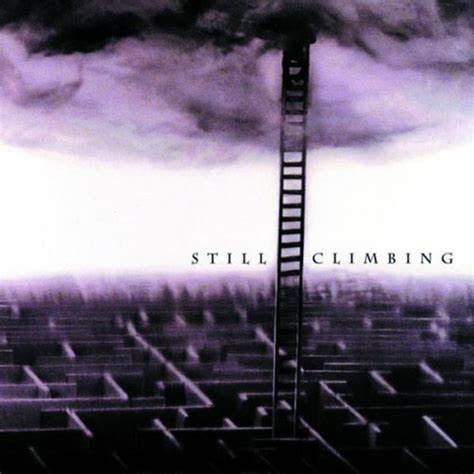
1274. Cinderella / Still Climbing. 1994. 3.5/5

1990’s “Heartbreak Station” had somewhat pre-empted what was on the horizon with music generally around the world. Having served up two albums where the image of Cinderella the band had screamed glam metal but had contained songs that fit more into the hard rock motif than anything else, “Heartbreak Station” had followed what other bands around the world were travelling, stripping back all of the overblown effects and getting back to what they called ‘the basics’. It produced an album that tended to split the band’s fandom, with mixed reactions as to its output and direction.
Following the tour to promote the album, the band began to put together ideas for their follow up album. However, they were then hit with the problems that beset band leader, guitarist and lead vocalist Tom Keifer. It was during this time that he was diagnosed with vocal chord paresis which eventually required surgery and a lengthy recovery time, which put the band in limbo for a two year period. Now while that is a considerable time to be out of action, it certainly became more so when you consider that those years were 1991 and 1992, when the music world was turned on its head by the escalation of grunge, a phenomenon that is almost the sole reason that glam metal was forcibly removed from the music scene. However, Cinderella had already begun a move away from that with their previous album, and perhaps both this and the break from releasing an album at the height of this new movement ended up working in their favour.
In an interview some years later, Keifer was quoted as saying "I am writing for the record, and I don't know what voice I am writing for because I don't know if I am going to have a voice." Keifer also stated, "I really didn't ever get to the point where my voice was fully retrained, back and functioning properly, even while we were recording that record." In the long run, Keifer had to adopt a different way of recording his vocals, singing the same line over and over in order to get the sound he wanted. “On Still Climbing, I was going in and singing one line over and over and over, and trying to get my pipes to work right and get the sounds that I wanted. It was just a weird record to make. It was not an easy record to make, but a lot of the songs, I really like. And you know, it is what it is."

For this album, partly to do with the long break, longtime drummer Fred Coury had gone on to pursue other interests, with Kenny Aronoff taking on the drum duties in the studio. The remainder of the band, Keifer, bass guitarist Eric Brittingham and lead guitarist Jeff LaBar remained together.
An interesting part of this album was the use of a couple of songs that had been around for years. Both “Talk is Cheap” and “Freewheelin’” had been played by the band live as early as 1985, though both were slightly different from the versions that ended up on this album. Also, "Hot & Bothered" had first appeared on Wayne's World soundtrack in 1992.
Perhaps the most surprising part of this album is that, unlike so many other bands albums that were released in the same era, they have not felt pressured into changing their sound to match what was going on in the music world around them. “Heartbreak Station” had been a subtle change in direction prior to this, and perhaps that helped the band keep that mindset, despite what had happened to delay this album coming out and what music was like swirling around them.
The opening track “Bad Attitude Shuffle” has a slow start, taking its time to move into the main section of the song and begin its bluesy influenced traction. Theis follows nicely into “All Comes Down”, a great hard rock song, one where you wouldn't know that Keifer had had any trouble with his vocal chords. There is perhaps less grinding in his voice, and he hits some impressive notes throughout, and the trade-off guitar licks and solos are terrific. It holds the same vitality that their songs in the late 1980’s do and kicks the album up a gear from the outset. It’s a ripper, and it segues perfectly into “Talk is Cheap” that keeps that hard rock momentum going. “Blood from a Stone” has a great opening riff and terrific attitude based vocals. These are the kind of songs that Cinderella made their own, on first inspection they mightn’t sound special but the more you listen to them the more they row on you, and you pick up the great pieces that make the track special, the doubled vocals pushing the intensity and the great solo through the heart of the track. The title track “Still Climbing” is a slow burner, very blues influenced by the guitar and keyboard within, sitting in a slow mid tempo and Keifer crooning over the top, which immediately segues into the far more upbeat and faster tempo of “Freewheelin’”. It is a segue that really shouldn’t work at all, at yet here it does beautifully without disturbing the platform laid by the previous track.
It wouldn’t be a Cinderella album if you didn’t have the soft rock ballads, and they appear here once again. “Hard to Find the Words” concentrates heavily on the slow blues based back track, reverberating from the low almost spoken vocal to Keifer’s more recognisable higher pitched squeals, and those atypical ballad based solos. “Through the Rain” heads down the usual route for such a track, based on a more acoustic level song with some light keyboards attached, and vocals sung in a register that tries to attack the heartstrings for an emotional response.
The final throes of the album are just as entertaining as the majority of this album. “Easy Come Easy Go” settles into a similar rhythm that the album endures and is more than listenable. “The Road’s Still Long” is a slow burn which mixes blues guitar with touches of country rock, threatening to break out into a much faster tempo with greater energy than it eventually decides to do. It’s a tease most of the way through. The album then concludes with “Hot and Bothered”, a song that reverts to their earlier sound, a definite AC/DC sounding hard rock song both guitar-wise and vocally, which brings the album to a close in a pleasant and enjoyable tone.

My own love affair with Cinderella had had a few hiccups over the years, and as much as I had enjoyed “Night Songs” and then most of “Long Cold Winter”, I must admit that I had found “Heartbreak Station” a hard sell. There is a real change in the direction the band took with the sound of that album, and at that time I had found it a bridge too far. So, when this was released in 1994 it was not an album that came on to my radar. None of my friends had bought it and I was unwilling to risk the 30 bucks to buy the CD and find it was only going to collect dust on the shelves. So, it wasn’t until the early 2000’s when I began to go back and chase down bands and albums that I hadn’t thought of for a while that I came across “Still Climbing” and decided to give it a go. And it wouldn’t be untoward of me to say that I was mildly surprised with what I found. True, it wasn’t the sound of their early albums, but it was nowhere near as bad as I had imagined it would be. Now, it isn’t an album I have taken out very often over the preceding years – and that is as much to do with the voluminous collection I now have when it comes to choosing an album to listen to when I want to hear some music than anything else – but I have never been disappointed whenever I have,
I’ve had this album on again for the past week, and again have been pleasantly surprised with how much I enjoy it. And what I have thought of most when listening to it is how determined the band must have been to stick to their guns in a musical environment that was a totally different landscape than from a decade before, and they still composed and recorded music that was in their wheelhouse, and did not try to adapt that to what was going on around them. It may not have brought them the commercial success that they would have craved, but as a fan of the band it did gain them my respect as an artist. In fact, the band’s label dropped them after the lack of sales of the album, and the band went into hibernation for a short time to refocus and determine what the future held for them. As it turned out, it was to be a future with constant obstacles ahead of them. While they did tour often, alongside other bands of their late 1980’s heritage, they recorded no new material as a band again. Their final show was in 2014, at which point it was reported that tensions between the members of the band made it unlikely they would tour or record together again. The passing of Jeff LaBar in 2021 seems to have finally closed the door on that ever being explored again.
As a final homage to the band then, “Still Climbing” is not a bad way to conclude their recording career. An album that retains their integrity and stays true to what they believed and enjoyed. In the long run, that is the best any band can hope to achieve.

Friday, November 08, 2024

1273. Deep Purple / Stormbringer. 1974. 4.5/5

Following the demise of the Mark II lineup of the band, Deep Purple had moved onward with their new recruits and released the album “Burn” in February 1974 to critical acclaim and fan delight. You can hear all about that album on the episode featured in Season 6 of this podcast. After its release the band had embarked on a US tour that included co-headlining the California Jam festival at Ontario Motor Speedway in southern California in April 1974. Attracting over 250,000 fans, this festival also included 1970s giants such as Black Sabbath, Eagles, Seals & Crofts and Earth, Wind & Fire. Portions of the show were telecast in the US, exposing the band to a wider audience and showcasing the new lineup with David Coverdale on lead vocals and Glenn Hughes on bass and backing vocals. During the show, guitarist Ritchie Blackmore doused his amplifiers with petrol and set them on fire, which ended up blowing a hole in the stage.
One of the reasons for the break up of the Mark II era of the band was that they had no time off whatsoever. Constantly on tour, they even had to resort to writing and recording albums on two week layovers from tour dates. It all proved too much, and eventually the tensions between certain bandmates created rifts that meant members were moved on. And yet, despite all of those signs, and the obvious need to set out their calendar better in order to have time off, Deep Purple returned to the studio in August 1974 (just 6 months after “Burn” had been released) in order to star writing and recording the follow up album. It was a grinding schedule, and surely it must have been questioned why the band needed to release an album less than nine months after their previous effort, especially one that had done well in sales, and of the further exposure the band had been receiving because of its live schedule. Or, indeed, is this the reason the band was pushed to the studio, to back it up with another album in order to cash in on this all? Whatever the actual reason was, the band spent two months in studios in Germany and then Los Angeles putting together the follow up to “Burn”, a time that would bring further desperation to the future of the band, but also give the world some of their best songs, in the form of the album “Stormbringer”.

The opening blast of the title track “Stormbringer” is the perfect start to this album, highlighting the vocals of Coverdale and Hughes, the organ of Lord and timekeeping of Paice, that wonderful sounding bass of Hughes and the trademark Blackmore riff and solo. It’s a brilliant song, matching the awesomeness of the opening title track of the previous album “Burn”. From here though, the true new focus of Deep Purple’s progression comes to the fore. “Love Don’t Mean a Thing” is the immediate best focus of this sound, coming after the bombastic nature of the opening title track, moving into that tight blues funk groove which sounds so natural, but of course is so different from what the Mark II lineup had produced. And as much as Coverdale and Hughes’s vocals can sing that earlier stuff, they are made for what they write together here. This has a beautiful combination of their vocal strengths and serene guitar solo that suits the song perfectly from Blackmore which fades out the track. “Holy Man” has Hughes taking on lead vocals, and he just kills this with his vocal chords. One of the most amazing voices in music history, and Blackmore’s guitar is again superb on this track. “Hold On” continues on this musical path, but also almost adds a small taste of gospel in the backing vocals of the chorus, all of it combined together in another perfect session. Apart from the opening track, the first side of the album is such a world apart from what Deep Purple had done previously that it is okay to believe that it is a different band altogether. In fact, the more you listen to the first half of this album, the more you hear the direction that the beginnings of the band Whitesnake took on, and begin to understand where that direction began. Both Hughes and Coverdale had brought elements of other genres with them to the band, Hughes with funk and Coverdale with blues, and that all begins to come more into focus on “Stormbringer” than it did on “Burn”. And as Blackmore himself was not involved in writing either “Holy Man” or “Hold On”, you begin to hear why they sound the way they do, and perhaps why Blackmore’s disillusion with the direction of the band was building.
The second side of the album heads back to a much more upbeat and energetic way with “Lady Double Dealer” coming out of the blocks with a similarity to Led Zeppelin, combining the blues elements with the higher velocity vocals and guitar. Blackmore’s solo also brings back memories of his best days on the guitar and a sectioned off Lord solo as well to remind fans of when they formed that lasting partnership. “You Can’t Do It Right” mirrors what a harder version of an old styled blues track would sound like, but comes across as so much more than that. “High Ball Shooter” continues down this same path, a true Blackmore rocking riff throughout with great vocals again from Coverdale and Hughes that is punched higher with Jon Lord’s first true organ solo of the album after the opening track, one that truly reminds you this IS a Deep Purple album. “The Gypsy” falls back to mirroring the songs on the first side of the album, while the last track on the album, “Soldier of Fortune” is the acoustic ballad written by Blackmore and Coverdale that while never released as a single has become one that has reached folklore status within the Deep Purple fandom. Not only has it been covered in latter years by Coverdale in Whitesnake and Blackmore in Blackmore’s Night, but also by many other bands. Given the way the album had progressed to this point, it feels as though it is a strange choice in which to close out the album, though its overall popularity seems to suggest that the band knew what they were doing, and not this reviewer.

When people think about or have promoted to them the band Deep Purple, it is basically the Mark II lineup that is highlighted, with Blackmore and Gillan as the central pieces of the puzzle. It generally brushes over the first three albums and that Mark I lineup, and often ignores the band of this era with Coverdale and Hughes, and eventually Tommy Bolin. And that is a huge disappointment because the two albums of the Mark III lineup are especially brilliant in the Deep Purple discography.
There is so much different here from those hard rock albums of the Mark II phase of the decade, but this is a transformed band with two main songwriters gone and two more brought in in their place, and with a different focus. But that doesn’t make them any less excellent at what they do. The double change though perhaps brought in a faster incorporation of a different sound than would have been the case if just one of the writers and players had been substituted between albums.
Despite this, what is not to love on this album? Don’t compare it to other albums, just sit there and enjoy the wonderful musicianship, the amazing blending of vocals, the guitar, the organ and the excellent songs.
What interests me most about this album, and the subsequent tour, is Ritchie Blackmore’s involvement. Blackmore publicly disliked most of the album, suggesting in later interviews that it was "shoeshine music" out of his distaste for its funk and soul elements. And of course he was already in the process of preparing to leave Deep Purple to start his own band that would become Rainbow, and band that moved back to a sound that concentrated on... Ritchie Blackmore. But having said that - is this Blackmore’s triumph? It his time in Deep Purple he had gone from the first three albums where he was important but playing second banana to Jon Lord on organ, to being the centre focus with his duels with Lord on keyboards on those seminal Mark II albums, and yet here proves he can still provide an amazing sound on guitar on tracks that provide funk rather than hard rock, and still be as impactful on each song without the bombasticness that he had become renown for. It really is a triumph for his craft, even though he decided to leave because of the direction the music was going in. And certainly, he revived his stature in Rainbow as a result.
I first came across these Mark III and IV albums around 35 years ago, getting all of the Deep Purple Mark II, III and IV albums in a box set on CD from a mail order record club I joined at that time, which for a while was a great source of old albums on the newest format. And I enjoyed all of them. Even then the difference in the music was noticeable from one to the next, but that didn’t deter me in the slightest. And just as “Stormbringer” brought a change from “Burn”, so again did “Come Taste the Band” after this album.
I’ve probably already explained here in this spiel that the style of this album doesn’t bother me. In fact, just a few weeks ago I was at our local record store Music Farmers in Wollongong, buying some albums on my birthday as my own present to myself, and came across an original 1974 Australian vinyl pressing of “Stormbringer”, and bought it immediately. And it has barely left my turntable since. It is remarkable timing given its anniversary and therefore requirement for me to do a podcast episode on it... fate has a funny way of coming around when required... but it has been a joy to sit in the Metal Cavern and have this playing often, and continued to enjoy it each and every time.
Blackmore’s departure almost spelled the end for Deep Purple at that point in time, but a determination to try and make the band work meant that they went on the search for a new guitarist, and then to conjure up another album. That story of course is yet to come, and that further storm was just on the horizon.

Sunday, November 03, 2024

1272. Foo Fighters / There is Nothing Left to Lose. 1999. 4/5

Foo Fighters had approached the end of the 1990's decade with a high degree of success and adulation coming their way. After the debut self titled album, written and almost completely self recorded by Dave Grohl, had brought about a sense of a new dawn in alternative rock after the demise of Nirvana, and the follow up album "The Colour and the Shape", which had spawned several high charting singles and put the band firmly on the path to superstardom, there were still roadblocks to overcome. When guitarist Pat Smear had left the band halfway through the tour to promote "The Colour and the Shape", Grohl had brought in his mate Franz Stahl to replace him for the remainder of the tour. Stahl has made clear in interviews since, and on the documentary Back and Forth, that he already had ideas he wanted to bring to the band for their follow up album. Unfortunately for him, as was also presented in that same doco, Grohl felt that his style wasn't quite complementing what he wanted in the band, that it just didn't fit. This led to Grohl having to inform Stahl that he was fired from the band. At this point the band remained as a three piece, alongside drummer Taylor Hawkins and bass guitarist Nate Mendel. This would again leave Grohl to perform double duty on the album as he had done with the previous album, although that had been on drums and guitar, whereas here Hawkins would have his first recording effort with the band, while Grohl played all guitars on the album.
With just the three members, Grohl decided to convert the basement of his new home into a recording space, and the album was written and recorded there with little influence from the outside world. While there was an obvious amount of pressure on the band to create an album worthy of the two that had come beforehand, with the three members writing as a trio, as a group, rather than Grohl taking the full hands on approach, they were able to conceive and compose the music that the three of them wanted, and be in total control of the direction the new album was going to take. With this greater degree of collaboration, Foo Fighters were able to come out with an album they felt was ready to back up their success so far, with "There is Nothing Left to Lose".

While it would be accurate to suggest that the Foo Fighters first two albums had already shown a great variety in the style of songs that the band could write, and that they found a way to mesh and stretch the track list in order to have these songs meld together n the best way possible, it would also be a reasonable statement to suggest that it was with this album that they truly showed their template, the way they would continue down the path for the next decade. Listening to this album is a roller coaster ride in itself, such are the heights and lulls throughout, the thoughtful and introspective songs and the hard core driving tracks, moving between the loud to the sublime. While this is also true of the band's first two albums, here it feels as though it is a coordinated effort with less assault on the heavy side of the music and a more directed effort towards the softer and less aggressive music for most of the album.
The opening to the album is bombastic, with the crushing hard crashing drums and riffing guitars of "Stacked Actors" a terrific start. It feels like Dave has channelled his youth and come within a whisker of wanting to write a real hard core death metal track, and at times during the song you can feel the whole band just wanting to career over the falls and let loose... but don't. I love Dave's guitar sound on this track and his vocals leaving little behind. If anyone has hear Grohl's Probot project album, some of the songs on that remind me of this song and where it could have gone if he had truly wanted it to. A great start to the album. Then comes the song that made this album, "Breakout". The song was featured in the Jim Carrey movie "Me, Myself & Irene", and the film clip for the song shows parts of that movie. The film clip is a beauty and helped pushed the popularity of this song and the sales of this album. That scream... Wow Dave can really get that out there when he wants to. And the final song of the opening triumvirate is "Learn to Fly", another song whose film clip pushed its popularity enormously, and which is arguably better than the song itself. These three songs provide the impetus to the album from the start and well and truly has the party started by its conclusion.
That softer, more easy listening side of the album includes both some of the band's most accessible tracks, along with songs that would be unknown to those that only focus on the singles and radio released songs. "Gimme Stitches" is an example of the latter, a song that focuses on Grohl's sweeter harmony vocals and is a catchy song that is firmly settled in the mid-tempo track and unobtrusive guitar and drums. So too to a certain degree is the following track "Generator", talk box and all, but with verses that are softly sung and quiet guitar, coming out stronger through the bridge and chorus but certainly not in a way that anyone who doesn't enjoy hard rock would find offensive. And the final bout of the trio is the beautifully performed "Aurora", again highlighted by Grohl's amazingly credentials vocals over the lower action guitar sound throughout. "Aurora" is a song that shows a maturity in the music being presented by this trio, utilising the opposite side of their musical roots to produce a track that few would have thought possible given the heritage. It ranks alongside "February Stars" as one of the band's crowing achievements in this alternate part of their musical universe.
"Live-In Skin" holds its own throughout with a steady tempo and strumming guitar. More of the same comes at you with "Next Year", the final single released from the album. It is the only one of these softer sided songs that got a single release, which suggests that the band knew that its base was the fans that wanted the harder rocking tracks, and they were the ones who would get pulled into the album from the singles, but that once in, perhaps these songs would present an option to their partners, or family to give them an entry point to the band as well. "Headwires" follows a similar approach to "Live-In Skin", which is followed by "Ain't it the Life" which comes off the same conveyor belt that "Next Year" was produced from. There's a real country twang in the guitars on "Ain't it the Life" which is surprisingly serene, and almost Eagles-ish. "M.I.A" again follows a path from "Headwires", the main difference being that Taylor does actually hit his drums with a bit of effort again during this track, giving the album closer a little more impetus the bring it all to a conclusion.

Listening to this album now and it becomes obvious that the straight down the line rock songs punctuated with less aggressive vocals or guitars are what actually dominate the album. The opening tracks drag you in, and the preceding tracks lull you into a sublime state of calm, which is not anything that I would have expected a Foo Fighters album to do to me when I first bought this album. And listening to this again, it really is quite a massive change that the band had made here compared to those opening two albums. It just never seemed so sudden. For a long time I was always of the belief that this change came with the albums of the mid 2000's, but having had this on again for the past 2-3 weeks, I finally myself standing corrected. It was this album that saw the savage directional change occur. Now that may have been from a collaborative writing partnership, or it may just have been the plan, to release the hard to heavy songs at the top of the track list to appease their fans, ad then travel to another part of the music appreciation society with the back two thirds of the album. Away from this, I still love this album. Sure the songs have less aggression, but they are beautifully written and performed by all three members. It is Dave Grohl's vocals that probably win the day, because anyone who can sing "Breakout" and "Ain't it the Life" on the same album has some talent.
I bought this album reasonably close to its release date, as by this time my work situation was beginning to change and I was getting to a point where I could actually buy music again. And it was another of those albums at that time where I was expecting a lot, and vey much wanted to hear an album that was exactly like the previous one. And this definitely not that. And... I must have known at the time that the mood of this album had changed, because although I listened to it I know I was rarely invested in the second half of the album. Not for a long time anyway. At the time I thought it was because I wanted "The Colour and the Shape Part 2" and as discussed this isn't that. But over time I found enjoyment in it all, even if it wasn't the harder material I would have liked. And "There is Nothing Left to Lose" ticks all of the boxes asked of it. As the next step in the bands progression this album does exactly what it set out to do.
There never seems to be a time in the Foo Fighters camp where there isn't some sort of problem or shift going on. Recent times have proven that all over again. The recruitment of guitarist Chris Shiflett before the tour to promote this album at least showed that loud guitar rock was still a part of the band's future, as did the reappearance of Pat Smear not long after. And the rocketing rise of their popularity was only increased with the release of this album.